Introduction
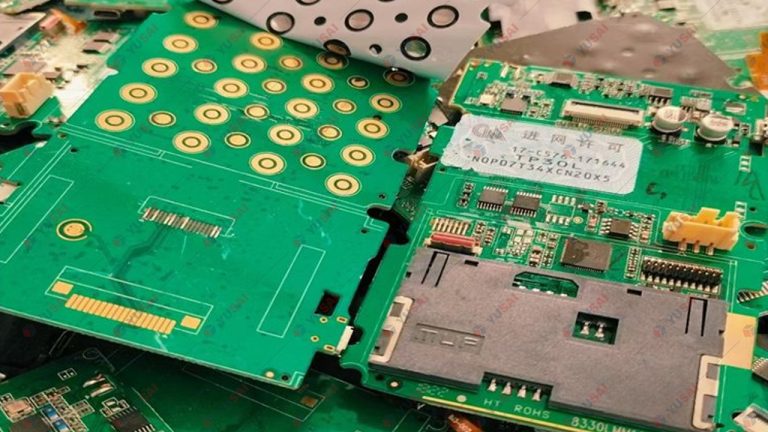
Gold‑plated electronic components including PCB gold fingers, IC pins, connector contacts and ceramic‑packaged devices represent an important secondary gold resource in e‑waste recycling. Most gold plating is deposited over a nickel barrier layer on copper substrates. The core objective of gold stripping is to selectively dissolve gold while minimizing corrosion of nickel‑copper base materials. Two typical application scenarios are involved: component rework (retaining original substrates for re‑plating) and precious‑metal recovery (prioritizing gold yield).
Cyanide‑based stripping carries extreme toxicity and strict regulatory restrictions, while aqua‑regia generates massive toxic nitrogen‑oxide fumes and aggressively dissolves base metals. For industrial production, cyanide‑free hydrometallurgical stripping and electrolytic deplating are strongly recommended. This article summarizes field‑proven operational know‑how for industrial recycling and refining projects, supporting pilot testing, batch production and EPC project implementation for precious‑metal recovery lines.
1. Incoming Material Sorting & Pre‑treatment
Sorting and pre‑treatment directly affect reagent consumption, gold recovery rate and impurity levels of final gold sludge.
- Categorize raw materials: Separate parts by type (PCB gold fingers, IC leads, connector pins, ceramic packages) and gold‑plating thickness. Distinguish thin gold (0.05‑0.3 μm) and thick gold (≥0.5 μm). Thin‑gold parts are highly vulnerable to over‑etching of underlying nickel.
- Degreasing and cleaning: Remove flux residue, grease and adhesive with alcohol or acetone via ultrasonic cleaning, then fully dry. Removing flux prevents passivation of gold surfaces, incomplete stripping and spot defects.
- Remove tin and solder points: Solder and tin will consume stripping agents rapidly and introduce heavy impurities. Strip tin layers prior to gold‑stripping operations. Separate plastic, ceramic and glass fragments to reduce reagent adsorption by non‑metallic debris.
- Masking for re‑work projects: For components requiring substrate preservation, cover non‑stripping zones with acid‑resistant ink or high‑temperature tape to avoid accidental base‑metal erosion. Masking is not required for scrap‑recovery batches.
- Preliminary trial test: Run small‑batch trial stripping for every new material lot. Record temperature, agitation and reaction duration. Confirm nickel substrates remain intact before launching full‑scale production.
2. Process Selection for Industrial Gold‑Stripping
2.1 Cyanide‑free chemical immersion stripping (mainstream for scrap recovery)
Common working systems include iodine‑potassium iodide, acidic thiourea and commercial ready‑to‑use cyanide‑free gold‑stripping agents.
- Iodine‑potassium iodide system: Operates at ambient temperature, good selectivity against nickel‑copper substrates. Requires light‑proof storage; relatively high reagent cost. Suitable for thin‑gold PCB and IC pin scrap.
- Thiourea acidic stripping: Thiourea dosage 8‑20 g/L with matched oxidizing agents; operating temperature ≤40 °C. High temperature triggers rapid thiourea decomposition and severe nickel corrosion. More applicable for thick‑gold connector pins.
- Commercial formulated cyanide‑free stripping solution: Easy operation, stable controllability, widely adopted in industrial recycling lines.
Note: Cyanide‑containing stripping delivers fast speed yet extreme toxic hazards. It demands certified operators, negative‑pressure ventilation and complete cyanide‑destruction wastewater treatment, and is not recommended for new projects. Aqua regia is prohibited for component rework; only applicable for fully crushed scrap where substrate integrity is irrelevant.
2.2 Electrolytic gold‑stripping (preferred for component re‑work)
Workpiece connects as anode, cathode plates adopt stainless steel or titanium material. Cathode‑to‑anode area ratio ≥2:1. Working current density: 0.5‑2 A/dm²; temperature 40‑50 °C. Advantages: Gold deposits directly on cathode plates for convenient collection; long service life of bath liquid; minimum substrate corrosion. Ideal for precision connectors and pins to be re‑plated. Small‑size lab electrolytic test units can verify electrolytic parameters before full‑line investment.
3. Critical Operational Parameters for Chemical Immersion Stripping
- Reaction vessel: Use PP / PE plastic tanks or reactors. Iron, copper and other metallic containers are strictly forbidden. Iodine‑based systems must be protected from light.
- Temperature control: Most cyanide‑free stripping processes run at 25‑35 °C. Higher temperature accelerates gold dissolution meanwhile speeds up reagent decomposition and base‑metal corrosion. Never exceed recommended temperature limits.
- Feeding & agitation: Add materials in batches instead of one‑shot bulk loading. Apply mild stirring or air sparging to eliminate concentration polarization. Observe visual changes continuously. Take parts out immediately once gold coating disappears. Prioritize insufficient stripping rather than over‑stripping.
- Reaction duration reference: Thin‑gold parts: 0.5‑3 min; thick‑gold parts: 0.5‑10 min. Once nickel layers turn grey‑black, over‑erosion occurs; remove materials instantly. Plating thickness varies batch‑by‑batch; visual inspection prevails over fixed‑time settings.
- Closed‑loop water rinsing (key for reducing gold loss): Implement primary overflow washing followed by secondary deionized‑water rinsing. Collect all rinse water and merge into pregnant stripping solution, no direct discharge. Significant gold loss occurs within rinse streams. For reworked parts, perform neutralization after rinsing before drying. For scrap‑recovery workflows, all rinse liquors return to main process tanks.
- Bath‑liquid maintenance: Periodically test gold concentration and pH value. When gold loading reaches saturation, stripping efficiency drops sharply; conduct gold‑recovery regeneration timely. Filter plastic dust and ceramic residues regularly to avoid physical adsorption of gold ions by solid particles.
4. Gold Recovery from Pregnant Stripping Solution
Two mainstream industrial routes: electrolytic recovery (preferred for low‑impurity gold product) and chemical reduction.
- Electrowinning recovery: Gold precipitates as gold sludge on cathode plates. Recovered gold sludge is cleaned and collected. This method produces fewer impurities and suits continuous production lines equipped with hydrometallurgical purification systems.
- Chemical reduction / zinc‑wire cementation: Adjust pH to weak‑alkaline range for most cyanide‑free pregnant liquors. Spread loose zinc wires inside solution for 2‑4 hours. Detect residual gold using stannous‑chloride reagent; stop cementation when no purple‑red color appears. Dissolve residual zinc with dilute sulfuric acid to obtain sponge gold. Repeated acid washing removes copper, nickel impurities, rinse to neutral pH and dry for smelting. For iodine‑based pregnant solution, sodium sulfite serves as reduction agent for gold‑powder precipitation.
Important reminder: Post‑recovery waste liquor still contains heavy‑metal pollutants and must be managed as hazardous waste.
5. Safety Control & Environmental Compliance
- Work‑site ventilation: Operate inside fume‑hood or negative‑pressure workshop equipped with NOₓ waste‑gas treatment system to absorb acid mists and toxic fumes.
- Personal protective equipment: Wear nitrile chemical‑resistant gloves, face shield with goggles, acid‑proof apron and anti‑slip safety shoes. Use gas‑mask respirators when handling acidic or iodine‑containing reagents. Prepare sodium‑bicarbonate neutralizer, eyewash station and emergency shower facilities. Flush skin contact points with abundant flowing water for minimum 15 minutes. Never mix different chemical agents.
- Solid‑liquid waste management: All stripping mother liquors, rinse water, filter residues and gold‑sludge filter cakes belong to hazardous waste. Store separately with hazard labels and hand over to qualified hazardous‑waste treatment organizations. Complete waste‑transfer documentation is required. No leakage or random dumping is allowed.
6. Common Pitfalls in Practical Production
- Relying purely on fixed immersion time without visual inspection: gold‑plating thickness fluctuates among batches, leading to incomplete stripping or severe base‑metal over‑etching.
- Introduction of tin and solder debris into stripping tanks: accelerates reagent consumption and raises impurity content within sponge gold.
- Discarding rinse water: invisible gold loss reduces overall recovery yield remarkably.
- Excessive temperature for thiourea process: fast reagent failure plus heavy nickel corrosion.
- Missing regular filtration of stripping liquor: suspended non‑metallic debris adsorbs gold ions and lowers final gold output.
7. Difference Between Rework and Scrap‑Recovery Workflows
- Component re‑work (keep original substrate for re‑plating): Prioritize electrolytic gold‑stripping. Strictly control current density and processing duration. Complete rinsing‑neutralization immediately after stripping to prevent nickel oxidation and discoloration.
- Scrap precious‑metal recovery (substrate disposable): Chemical immersion stripping delivers higher throughput. Focus on full collection of rinse streams and filter residues to maximize gold‑recovery performance.
Conclusion
Gold‑stripping of gold‑plated electronic components is a key unit operation within e‑waste hydrometallurgical recycling. Stable performance depends on standardized pre‑treatment, proper process‑route selection, precise parameter control, closed‑loop liquor circulation and full‑set environmental‑protection supporting facilities. Lab‑scale electrolytic test equipment is recommended for process validation before investing in large‑scale turn‑key recycling lines. Mature cyanide‑free hydrometallurgical solutions help recycling enterprises achieve high gold‑recovery rate while meeting global environmental‑protection requirements.