A piece of iron substrate can be electroplated with a bright, attractive layer of gold, silver, zinc or copper. Even with this brilliant outer finish, the base iron material underneath remains unchanged. The thin plated coating only modifies surface appearance and superficial corrosion resistance, not the fundamental composition and intrinsic quality of the base metal. Only through repeated smelting, purification and removal of internal impurities can raw iron transform into high‑grade steel with fundamentally upgraded mechanical performance.
This physical contrast between surface plating and deep metallurgical refining offers a powerful analogy for gold‑stripping operations in modern precious‑metal recycling worldwide. Many market participants confuse simple gold deplating with full precious‑metal refining, yet these two operations deliver vastly different outcomes for scrap processors, e‑waste recyclers and secondary‑metals facilities across international markets.
What Gold Stripping (De‑Plating) Actually Achieves
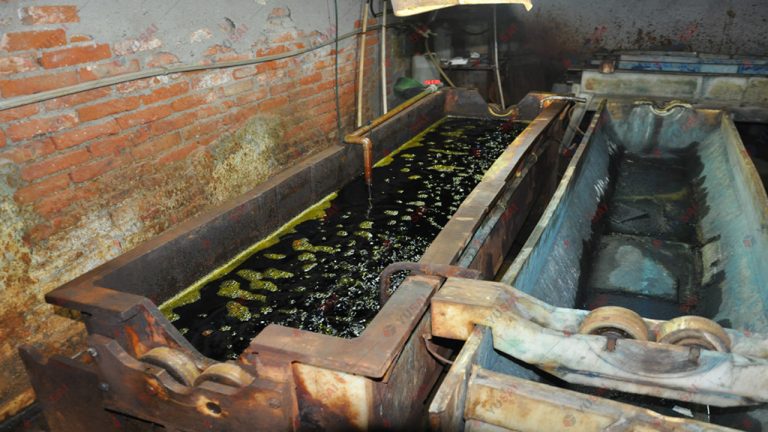
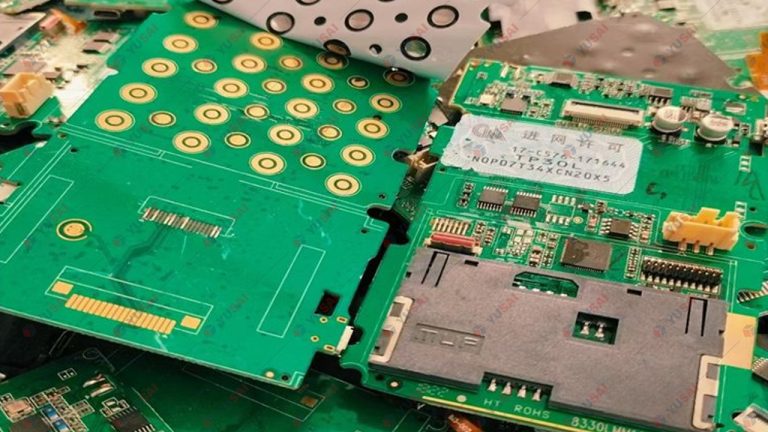
Gold stripping, or deplating, is a hydrometallurgical process designed to dissolve and separate the thin gold coating from plated base‑metal substrates such as circuit‑board copper, nickel‑alloy connectors, plated steel parts and various electronic‑component surfaces. In typical industrial workflows, plated scrap is immersed in selective stripping electrolytes or chemical lixiviants. The surface gold layer dissolves into the pregnant solution, while the underlying base substrate stays largely intact.
From an external perspective, stripping seems to “recover gold” efficiently. However, stripping only peels away the superficial plated layer. The pregnant stripping liquor carries dissolved gold mixed with co‑dissolved copper, nickel and other base‑metal impurities leached during processing. If recycling stops right after deplating — merely “washing” materials in stripping solution to strip off surface gold without subsequent deep purification — operators obtain impure gold‑rich sludge or mixed‑metal solution loaded with large volumes of contaminant elements.
Just like a superficially plated iron part, material treated only by stripping bears a “bright surface” of extracted gold, yet retains abundant internal impurities. When exposed to fluctuating chemical conditions such as changing pH, temperature or residual acid‑base contact, incomplete separation causes metal contamination to resurface. Gold output from standalone stripping without downstream refining often fails international purity standards for trade, and contains residual base‑metal contaminants that lower market value significantly. Many global recyclers have experienced heavy economic losses by treating stripped material as finished gold product without further metallurgical processing.
True Refining: Metallurgical Smelting and Purification as the “Heating Furnace”
To produce commercially tradable high‑purity gold, stripping must be followed by complete refining workflows that act as the high‑temperature smelting furnace for precious metals. True refining does not merely remove surface plating; it targets and eliminates impurity sources at root level through systematic hydrometallurgical or pyrometallurgical steps: solution purification, selective precipitation, filtration, electrolytic refining and electrowinning cycles.
Qualified refining systems repeatedly inspect material streams, remove multi‑element impurities, trace contamination sources, and conduct multi‑stage separation instead of single‑step surface removal. Only after thorough elimination of base‑metal residuals can gold reach purity levels meeting global bullion‑trading specifications.
Achieving high‑fineness gold via refining demands consistent operational discipline, sufficient processing residence time and stable equipment performance. It is unrealistic to expect full purification after only one or two short processing cycles. As an old proverb notes: “Ice three feet thick is not formed in a single cold night.” High‑quality precious‑metal output comes from cumulative, rigorous treatment across batches and continuous monitoring in daily plant operations. Minor impurities must be identified and eliminated batch‑by‑batch. Persistent, repeated purification cycles are indispensable to strip away all contaminant components and produce robust, high‑grade precious‑metal products fit for global circulation.
Even well‑known legendary tales illustrate this principle: mythical fire‑sharpened eyes came only after forty‑nine days of sustained furnace heat; alpine pines stand firm against storms because they endured wind, frost and snow from their earliest sprout stage. Similarly, premium‑grade gold cannot be obtained through quick‑fix surface‑only deplating processes.
Practical Guidance for Global Recycling Operators
Today’s international secondary precious‑metal industry faces growing demand for e‑waste recycling, printed‑circuit‑board processing, plated‑scrap treatment and battery‑material hydrometallurgical recovery across every continent. When evaluating gold‑recovery workflows, operators should clearly distinguish between two levels of processing:
- Gold stripping (de‑plating): A pretreatment step that releases surface‑plated gold from base‑material surfaces. It is an important starting point for recycling, yet it is not equivalent to final gold production. It generates gold‑bearing pregnant liquor mixed with base‑metal impurities, which requires follow‑up purification.
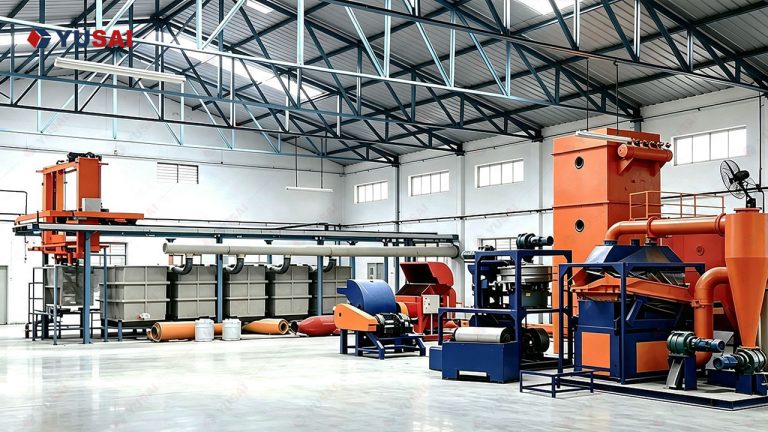
- Full precious‑metal refining system: Includes stripping units plus supporting processes: solution filtration, impurity removal, selective precipitation, electrolytic refining, electrowinning and waste‑gas treatment equipment. This complete chain eliminates contaminants fundamentally and delivers high‑purity gold, silver or other platinum‑group‑metal products that comply with international quality requirements.
Choosing only surface‑level deplating as your complete solution creates hidden risks: unstable gold purity, unreachable market‑trade standards, potential metal loss, and extra costs for re‑processing impure intermediate materials later. By contrast, adopting a complete hydrometallurgical recovery‑and‑refining workflow allows processors to turn mixed plated scrap into genuine high‑fineness precious‑metal bullion ready for global markets.
Conclusion
Gold stripping serves as the essential first step to unlock value from gold‑plated scrap. However, surface‑only deplating resembles superficial electroplating: it removes the outer gold layer, yet leaves impurity roots untouched. Real commercial‑grade precious‑metal production relies on the full “metallurgical smelting” of integrated refining systems.
For recyclers aiming for stable, long‑term returns in the global circular‑economy market, avoid the temptation of quick, surface‑only recovery. Build complete processing workflows that combine stripping with multi‑stage purification, electrolytic refining and impurity elimination. Through persistent, rigorous metallurgical treatment, scrap‑derived gold can achieve high purity and realize its maximum commercial value in worldwide precious‑metal trade.