Gold plating darkening and blackening is a common issue for both decorative jewelry and industrial plated components. This discoloration usually arises from two main reasons: daily wear abrades the thin gold coating until the reactive base metal is exposed, or inherent plating defects such as poor nickel underlayer crystallization and insufficient underlayer thickness. Stripping the damaged gold plating is technically feasible, with three mainstream approaches: chemical stripping, electrolytic stripping, and gentle jewelry cleaning & refurbishment.
The suitable solution depends on the item’s value, base metal composition, and operational hazards. For precious, heirloom, or sentimental pieces, always consult a professional jeweler or metal finisher first. DIY stripping carries severe risks of substrate corrosion and chemical injury, so extreme caution is required.
Three Main Gold Stripping Methods: Principles & Operations
Gold plating removal techniques fall into three categories, selected based on your target: partial tarnish cleaning, full plating stripping for rework, or bulk industrial processing.
1. Chemical Gold Stripping: Selective Dissolution via Specialized Stripping Solutions
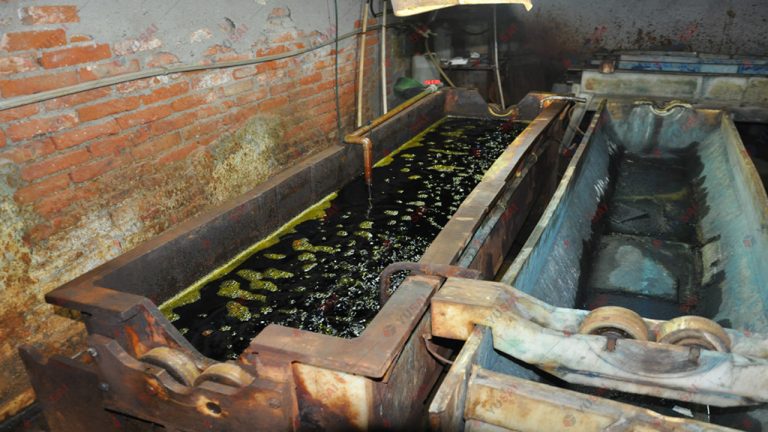
Chemical stripping uses purpose-formulated stripping fluids to dissolve gold plating through chemical reactions. The solution contains oxidizers, complexing agents, buffers and corrosion inhibitors. It is engineered to selectively dissolve gold while minimizing etching on the base substrate. The solution should be used as supplied, without dilution.
- For magnesium alloy substrates: operating temperature 20–45°C
- For zinc alloy substrates: operating temperature 20–45°C
- For aluminum, stainless steel, titanium alloy substrates: operating temperature 25–60°C. Higher temperature accelerates stripping speed. For reference, 0.1 mm coating can be stripped in roughly 5 minutes at 50°C.
Fully immerse the workpiece and agitate periodically to achieve uniform stripping. After completion, rinse thoroughly with clean water to eliminate residual chemicals.
2. Electrolytic Gold Stripping: Electrochemical Removal for Precision & Bulk Work
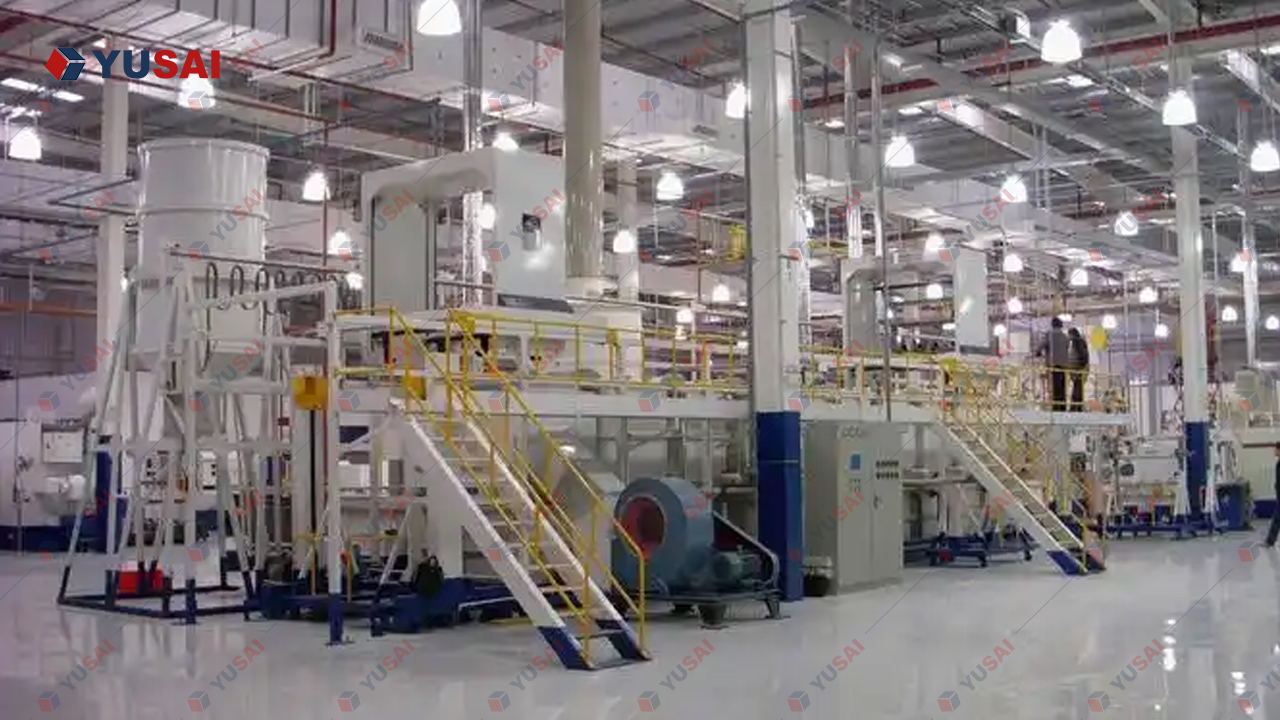
Electrolytic stripping is an electrochemical process widely adopted in industrial high-volume or high-precision rework. The workpiece acts as the anode, while lead or stainless steel plates serve as the cathode. Under direct current, oxidation occurs on the anode, dissolving gold plating into the solution as metal ions. Metal ions may precipitate as fine powder or hydroxide deposits on the cathode.
Electrolytic stripping baths contain nitrates as oxidizers, EDTA disodium or sodium citrate as complexing agents, plus buffers and corrosion inhibitors. This process demands dedicated power equipment and skilled operation.
3. Jewelry Cleaning & Professional Refurbishment: Gentle Treatment for Surface Tarnish
For wearable gold-plated jewelry, mild treatment is preferred to restore luster rather than fully strip the gold layer.
- Light tarnish cleaning: For minor oxidation, gently rub the surface with a soft toothbrush and toothpaste. Short soaking in 5% white vinegar or salt water is also an option before rinsing. Commercial gold care liquids are available on the market.
- Professional refurbishment: If plating has worn or peeled, re-plating is the permanent solution. The full workflow includes ultrasonic degreasing, polishing to remove scratches, electrolytic surface activation, and re-depositing a fresh gold coating. The new gold barrier blocks air and sweat to prevent recurring oxidation.
Method Comparison
- Chemical stripping: High efficiency, simple equipment. Strict matching between stripping fluid and base metal is mandatory.
- Electrolytic stripping: Excellent process control and consistent results, but requires specialized power supplies and technical know-how.
- Jewelry cleaning: Safest and easiest, only effective for superficial discoloration. Severe coating wear requires professional re-plating.
DIY Hazards & Critical Safety Guidelines
Before attempting any stripping work, understand these core risks to avoid permanent damage:
- Base metal identification risk: The biggest hazard. Different substrates (zinc alloy, magnesium alloy, copper, silver) require completely different stripping chemistries. Mismatched solutions will etch or destroy the base metal. Never begin stripping if you cannot confirm substrate composition.
- Chemical protection: All chemical reagents, including household oxidation removers, must be handled in well-ventilated areas. Wear rubber gloves and safety goggles to avoid skin and eye contact. Store chemicals securely away from children.
- Process control: For chemical stripping, strictly control temperature, concentration and immersion time. Over-soaking leads to substrate corrosion; insufficient temperature slows stripping. Agitate parts regularly for even results.
- High-value items: Precious, sentimental, or intricately structured jewelry and industrial components are strongly discouraged from home treatment. Professional finishers have matched chemistry, specialized tools and experience to preserve your workpiece.
- Coating performance expectation: Understand coating durability. Rhodium plating features superior inertness, forming a dense protective film that maintains appearance for 1–3 years under normal wear. Ordinary nickel-based “white gold plating” offers weaker oxidation resistance. Manage your expectations for restoration outcomes.
Prevention & Daily Maintenance to Avoid Gold Plating Tarnish
Preventive care is far more cost-effective than stripping and re-plating, extending the service life of gold-plated surfaces.
- Avoid chemical exposure: Apply cosmetics, perfume and skincare products before putting on plated jewelry. Keep away from chlorine (swimming pools), sulfur (hot springs), and heavy sweat. Remove pieces before bathing, swimming or exercising.
- Reduce friction during storage: After wear, wipe with a soft cloth, store separately inside fabric pouches or lined jewelry boxes. Prevent contact with hard objects that scratch and abrade the thin gold layer.
- Regular gentle cleaning: Wipe monthly with a microfiber or jewelry polishing cloth. Soak briefly in diluted neutral detergent, clean lightly with a soft brush, rinse and fully dry with soft fabric.
- Upgrade protective coating: When purchasing or refurbishing, ask about rhodium plating options. It costs more but delivers outstanding anti-tarnish performance.
- Annual professional check-up: Visit trusted jewelers yearly for inspection and cleaning. Polishing or re-plating can be applied as needed to keep your piece bright.