Introduction
Gold surface finishing is widely applied on printed circuit boards to enhance solderability, corrosion resistance, contact performance and shelf life. Two mainstream gold finishes dominate PCB manufacturing: electroplated gold (hard gold / full-board gold plating) and immersion gold (ENIG, chemical nickel gold). Their differences in plating structure, gold thickness, crystal texture and coverage bring totally different challenges in gold stripping and precious metal recovery. As a professional manufacturer of e-waste precious metal recovery equipment, we provide customized gold deplating systems for both electroplated gold boards and immersion gold boards.
What Is Electroplated Gold (Hard Gold PCB)
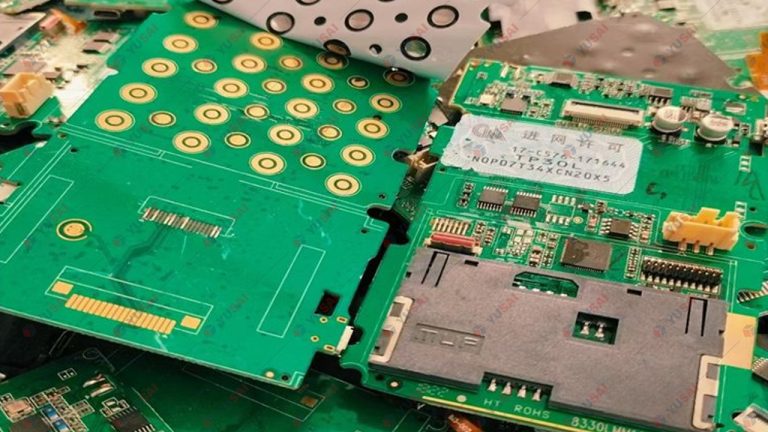
Electroplated gold, also called electrolytic gold or hard gold, deposits nickel-gold coating on PCB copper foil by applying electric current in plating bath. It can cover the full PCB surface. Hard gold features high hardness, strong wear resistance and anti-oxidation property, widely used for gold fingers, contact keys and connector PCBs.
Key Features & Stripping Challenges
- Full-board nickel-gold coverage, thicker hard gold layer. The dense hard gold alloy structure is wear-resistant, which requires targeted stripping solution and proper reaction control.
- Fine-line PCB (3~4 MIL trace & space) may form gold whiskers during electroplating. The interlaced gold whiskers increase stripping difficulty and risk of fine gold loss during recovery.
- High-frequency signal boards: skin effect causes high-frequency current flowing along the multi-layer plated gold surface. The composite nickel-gold coating structure makes selective gold deplating trickier; improper operation will corrode nickel and copper substrate.
- Application scenario: gold fingers, switch contact boards, long-shelf-life prototype PCBs.
What Is Immersion Gold (ENIG / Chemical Nickel Gold PCB)
Immersion gold forms nickel-gold coating through chemical redox reaction without electricity. Gold only deposits on solder pads instead of the whole circuit board. It is soft gold with compact crystal structure.
Key Features & Stripping Challenges
- Gold is only on solder pads, traces remain covered by solder mask. Solder mask bonds firmly with copper, which reduces base material corrosion risk during selective gold stripping.
- Soft gold crystal structure, good solderability, widely used for SMT, BGA, wire bonding products.
- No gold whisker micro-short issue, easier to control stripping reaction. But the gold layer is thin; improper process may lead to over-stripping of nickel underlayer.
- Most mass-production PCBs adopt ENIG. It accounts for over 90% gold PCB scrap in electronic recycling market.
Core Difference in Gold Deplating Between Electroplated Gold & Immersion Gold
- Coverage difference Electroplated gold: full-board gold coating, gold exists on pads, traces and edges. More total gold loading, but gold whiskers may trap tiny gold particles. Immersion gold: gold only on solder pads, limited gold distribution area, solder mask protects copper circuit.
- Gold texture difference Hard electroplated gold: dense alloy hard layer, slower stripping speed; needs longer reaction time or stronger selective stripping agent. Soft immersion gold: softer pure gold layer, faster stripping rate; need precise timing to avoid attacking nickel layer.
- Substrate protection requirement For recyclers, the core target is strip gold only, preserve copper substrate for secondary copper recycling. Electroplated boards have exposed copper-gold across the whole panel. It is harder to avoid copper/nickel corrosion. Immersion gold boards: solder mask protects copper lines, much lower risk of base metal erosion during gold stripping.
Our Gold Stripping & Precious Metal Recovery System
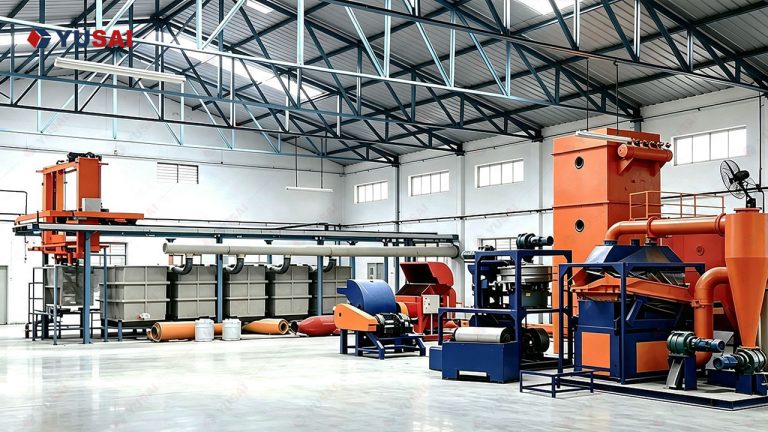
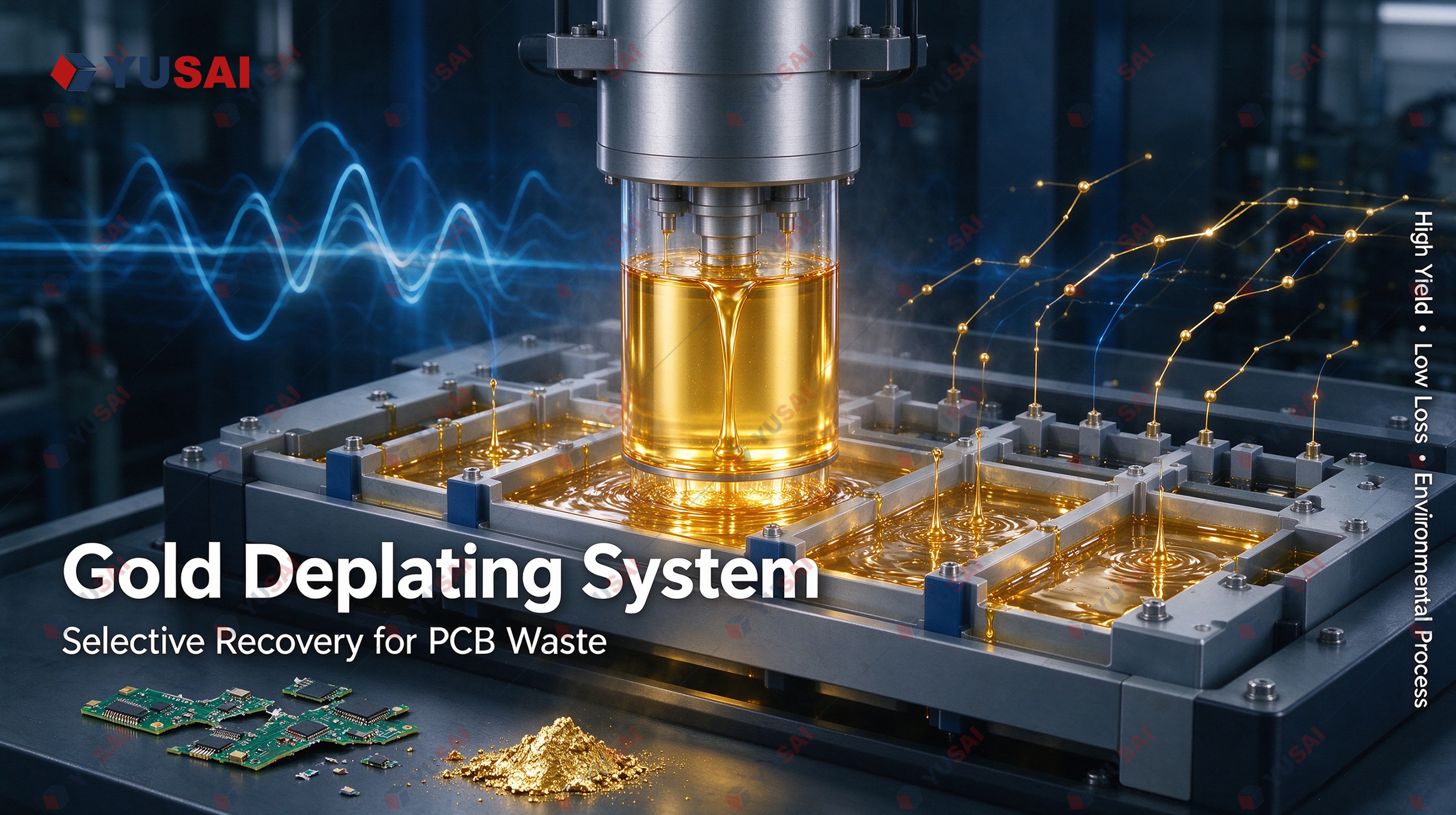
Our gold deplating equipment is specially engineered to handle both electroplated hard gold scrap and ENIG immersion gold PCB waste.
✅ Selective gold stripping technology: dissolve gold efficiently while minimizing corrosion of copper and nickel substrate.
✅ High gold recovery rate: gold recovery efficiency ≥99%, low fine gold loss.
✅ Modular design: available for small batch test, medium and large industrial recycling lines.
✅ Optional cyanide-free eco-friendly stripping process, compliant with environmental regulations and RoHS requirements.
✅ Automatic gold enrichment & reduction unit: gold can be directly reduced from stripping solution for subsequent smelting to gold bullion.
✅ Wide feedstock: waste PCB, rejected prototype boards, gold finger scrap, bonding ENIG boards.
Application & Business Value
PCB scrap with gold finishing is high-value e-waste. Many recyclers suffer low recovery rate and gold loss because they cannot distinguish immersion gold from electroplated gold and use one-size-fits-all stripping method. Understanding the structural difference between these two gold finishes helps you select the right stripping recipe and equipment, maximize gold yield, control reagent consumption and boost your recycling profit margin.
Whether you process large volumes of immersion gold PCBs or high-value hard gold finger scrap, we can provide complete gold stripping, gold enrichment and precious metal refining solutions.
Contact Us
Send your PCB scrap sample for free test. We will evaluate gold content, recommend suitable gold deplating system and quotation.