1. Introduction
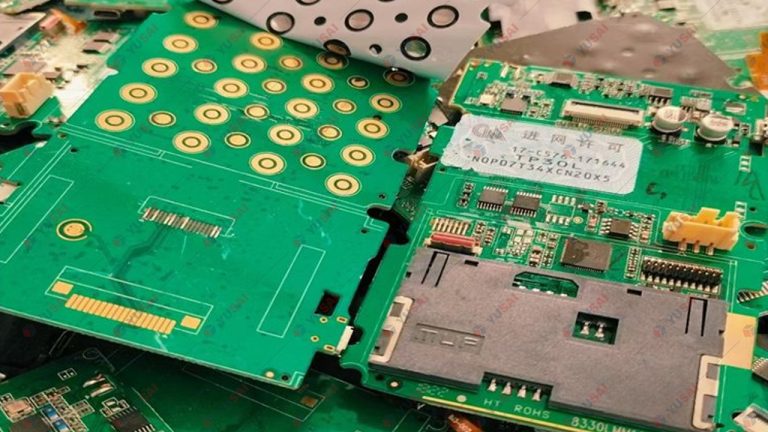
PCB (Printed Circuit Board) is the core carrier of electronic components. Gold plating is widely applied on PCB gold fingers and pads to enhance electrical conductivity, oxidation resistance and wear resistance. Once PCBs become waste or defective during production, the gold coating on the surface becomes a high-value precious metal resource.
PCB gold stripping is a reverse process of PCB gold plating. It selectively strips the gold layer from waste PCBs, enriches gold into liquid, and then extracts and refines gold with supporting precious metal recovery equipment for resource recycling. This article introduces the complete PCB gold stripping workflow, key technical points and application of matched recovery machines.
2. PCB Gold Stripping Process
2.1 Pre-stripping Pretreatment
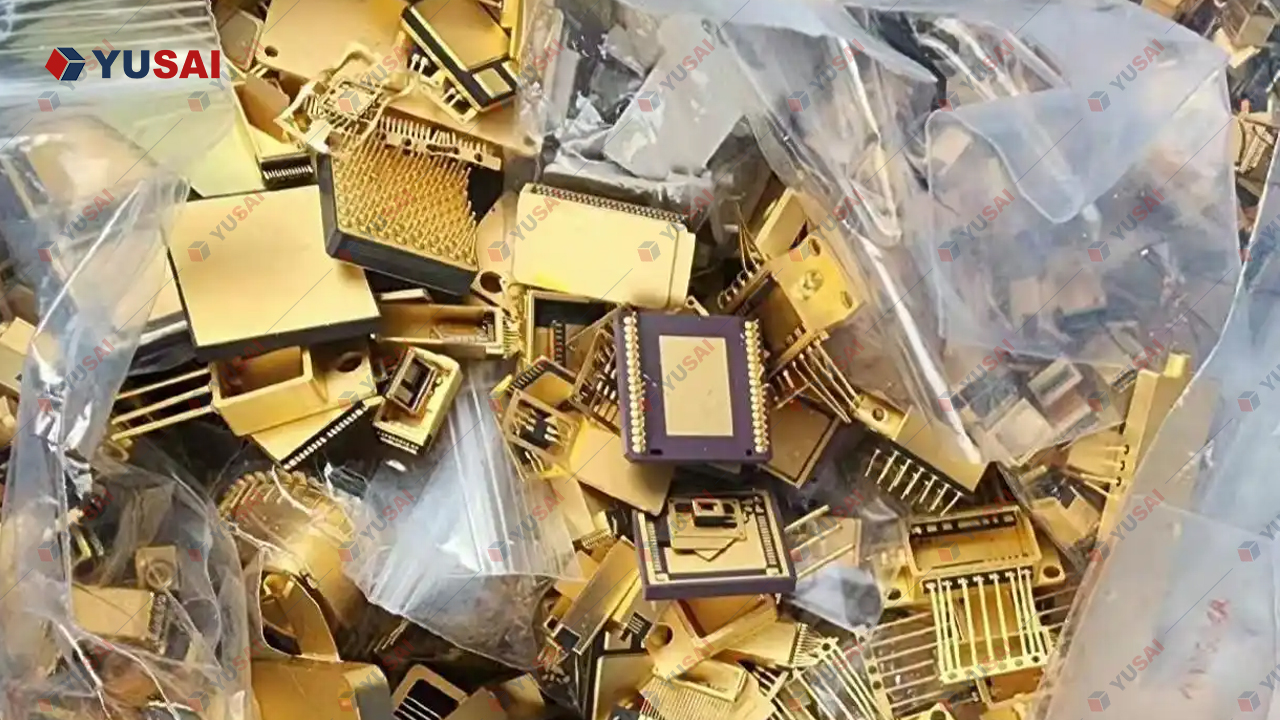
Pretreatment is the foundation to improve stripping efficiency, reduce chemical consumption and protect substrates. Its purpose is to fully expose gold plating layers and remove interfering contaminants. (1) Sorting & Dismantling: Sort gold-bearing PCB scraps, remove chips, capacitors and plastic accessories. Gold finger areas can be cut separately to reduce invalid substrate processing volume. (2) Degreasing & Cleaning: Use alkaline cleaning or organic solvent to eliminate grease, rosin and dust on PCB surfaces, preventing contaminants from blocking contact between stripping solution and gold layer. (3) Activation Treatment: Remove passive film on gold plating surface to enable sufficient contact between stripping agent and gold, accelerate stripping and minimize corrosion of underlying nickel and copper.
2.2 Selective Gold Stripping
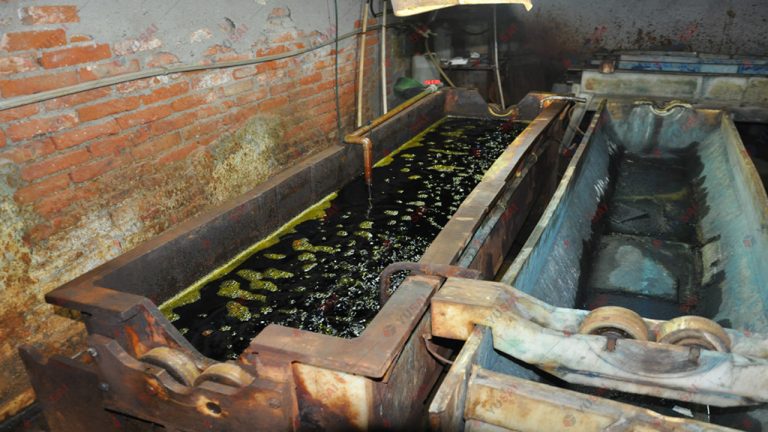
Gold stripping is the core section, including chemical immersion stripping and electrolytic stripping. Supported by dedicated stripping tanks, it selectively dissolves the top gold layer while protecting nickel and copper base materials. (1) Chemical Stripping: Put pre-treated PCBs into special gold stripping solution. Under controlled temperature and stirring, gold coating dissolves selectively, leaving PCB substrate intact. Suitable for mass processing of gold fingers and thin-gold waste circuit boards. (2) Electrolytic Stripping: Take PCB gold-plated surface as anode. Gold is stripped via electrochemical reaction. It features stable reaction and lower reagent consumption, ideal for thick gold-plated PCBs and continuous production lines.
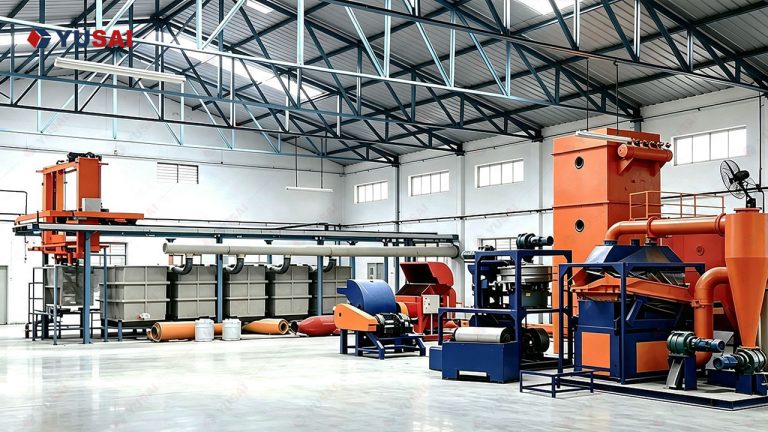
Our complete precious metal recovery equipment supports both stripping technologies. Automatic temperature control, circulation stirring and filtration ensure stable reaction and high gold leaching rate.
2.3 Solid-Liquid Separation & Filtration
After stripping, take out PCB substrates and collect gold-rich stripping solution. (1) Water Washing & Gold Recovery: Rinse PCBs thoroughly. All rinse water containing gold is collected and merged into main solution to avoid gold loss. (2) Precision Filtration: Filter out PCB resin debris and solid impurities to obtain pure gold-bearing solution for subsequent gold reduction.
2.4 Gold Reduction & Precipitation (Core of Precious Metal Recovery)
Feed filtered gold solution into precious metal recovery equipment. Add reducing agent to convert gold ions into solid crude gold powder. The equipment can automatically monitor gold concentration and control reagent dosage precisely. After precipitation, crude gold sediment is separated by filtering.
2.5 Refining & Waste Liquid Treatment
(1) Gold Refining: Crude gold powder is washed, dried and further purified by electrolytic refining equipment to get high-purity gold. (2) Waste Treatment: Tail liquid after stripping and reduction is processed by waste gas & wastewater treatment system. Liquid can be recycled or discharged up to environmental standards to cut operation cost.
3. Key Notes
- Pretreatment quality greatly affects stripping result. Grease and residual film cause incomplete stripping and lower gold recovery rate.
- Strictly control temperature, reaction time and chemical concentration. Excessive reaction will corrode underlying nickel & copper and bring extra impurities.
- Complete solid-liquid separation is required. Gold-containing wastewater must be collected instead of direct discharge to prevent precious metal loss.
- The whole process should run in closed and ventilated workshops. Our integrated recovery machines adopt sealed reaction tanks and exhaust collection for safe and eco-friendly operation.
- Choose chemical stripping or electrolytic stripping according to gold thickness and PCB type (rigid / flexible board). Match proper recovery equipment to maximize profit.
4. Conclusion
PCB gold stripping is a vital process for precious metal recycling of e-waste, acting as the reverse procedure of PCB gold plating. Through standardized workflow: pretreatment → selective gold stripping → solid-liquid filtration → gold precipitation → refining, matched with professional precious metal recovery equipment, high gold recovery rate can be achieved.
For e-scrap recyclers and PCB manufacturers handling defective gold-plated boards, stable gold stripping & recovery systems recover valuable gold and reuse PCB substrates, bringing both economic and environmental benefits.
As a professional manufacturer of precious metal recovery equipment, we supply complete integrated lines for PCB gold stripping, gold extraction and refining. Custom production lines are available.