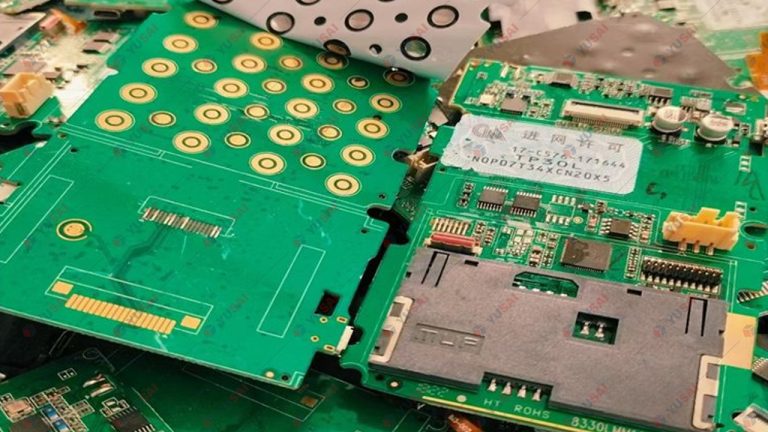
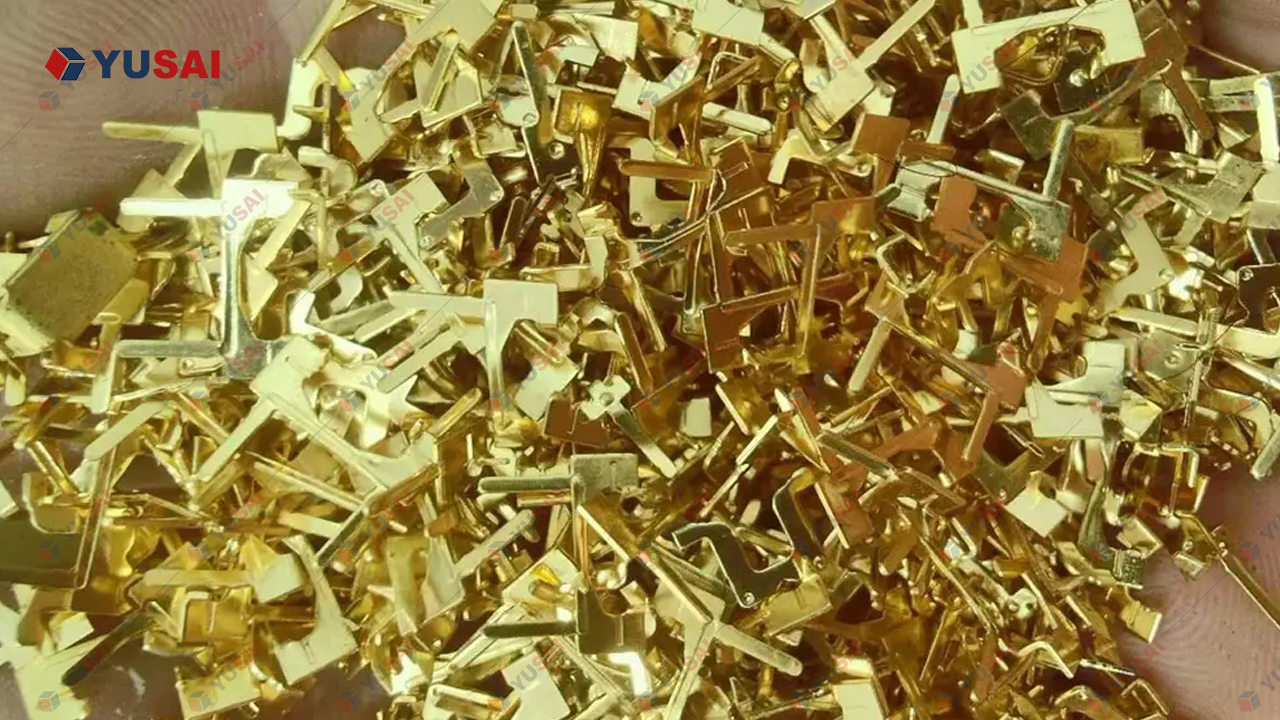
old plating is widely used across industries with multiple layered coating systems, including copper-nickel-gold, stainless steel-strike nickel-gold, electroless nickel-copper-nickel-gold, electroless nickel-gold, copper-gold, silver-gold, aluminum-zincate-nickel-gold, and aluminum-anodizing-copper-gold. When plated parts have surface defects that fail quality inspection, rework is required. The gold layer must be stripped selectively before re-plating. Since base materials and multi-layer coating stacks differ, matching stripping processes must be selected to avoid damaging the substrate.
1. Chemical Gold Stripping for Different Substrates
Important safety note: Cyanide-containing stripping solutions are highly toxic. All operations must be performed in fully ventilated workspaces with full personal protective equipment. Comply with local environmental and chemical safety regulations.
1.1 Gold stripping on electroless nickel substrate (substrate non-corrosive)
Solution formula: Resist salt S 12 g/L, sodium cyanide 20 g/L. Operating temperature: 80–90 °C. Immerse parts until the gold film is fully stripped.
1.2 Chemical gold stripping for steel substrates (stainless steel, spring steel)
Stripping bath: Potassium cyanide 20–50 g/L. Immerse workpieces into the cyanide bath. Slowly add 30% hydrogen peroxide near the parts while agitating the solution continuously. Stop the operation once gold coating is completely removed. Work in a ventilated hood.
1.3 Gold stripping on copper and copper alloy substrates
Two applicable routes: chemical immersion stripping and electrolytic anodic stripping. Electrolytic stripping for copper substrates follows the same setup principle as silver electrolytic stripping.
2. Electrolytic Gold Stripping Processes
Electrolytic stripping is preferred for higher gold recovery and controlled substrate attack. Two mature industrial recipes are introduced below.
Process 1: Thiourea & Sodium Sulfite Non-cyanide Electrolytic Stripping
Working Principle
Thiourea and sodium sulfite compose the electrolyte. Under electrolysis, gold on the workpiece anode is oxidized into gold ions. The dissolved gold ions are immediately reduced to elemental gold precipitate by sodium sulfite and settle at the tank bottom. Gold sediment can be separated, purified and smelted into pure gold. This process features low pollution and high gold recovery rate.
Bath Composition
Thiourea: 2.5% Sodium sulfite: 2.5%
Electrodes & Tank Configuration
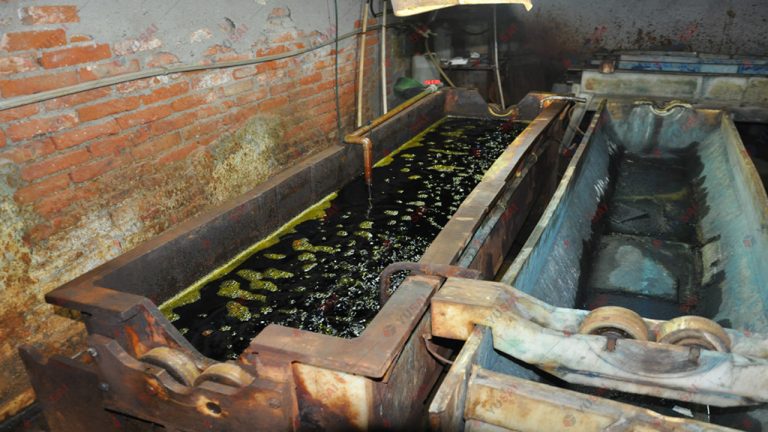
Cathode and anode: stainless steel plates. Cathode area shall be larger than anode area. Two PVC welded rectangular tanks are required: one large main electrolytic tank and one smaller inner stripping tank. Several 3mm diameter holes are drilled on both sides of the small tank to enable electrolyte circulation.
Electrolysis Parameters
Current density: 200 A/m² Cell voltage: 4.1 V Processing time: 10–30 minutes. Actual duration depends on gold coating thickness and the ratio between anode and cathode surface area. Proper area matching can greatly accelerate gold dissolution.
Process 2: Sulfuric Acid Electrolytic Stripping for Copper-based Gilded Scrap
Suitable for various copper gold-plated scrap parts. Place scrap parts in a fixture basket as the anode; lead plate serves as the cathode. Prepare electrolyte with concentrated sulfuric acid. Current density: 120–180 A/m². Gold precipitates at tank bottom. Some gold sludge adheres to workpiece surfaces and can be easily washed off. After electrolysis, dilute electrolyte with water, boil the liquid and keep static settlement for 24 hours. Filter and wash sediment, dry and melt the precipitate to obtain crude gold.
Key Considerations for Production
- Always test stripping recipes on sample pieces first to verify substrate compatibility before batch processing.
- Cyanide waste liquor and sludge require professional hazardous waste treatment.
- Monitor bath concentration regularly and replenish chemicals according to stripping speed.
- Separate different substrate workpieces to avoid cross-contamination of stripping baths.
Disclaimer: This article is for technical reference only. Operators must comply with local occupational safety, waste discharge and hazardous chemical management laws. Improper operation of toxic chemicals may cause severe injury and environmental hazards.