Introduction
Electrolytic silver stripping is a widely adopted electrochemical process used to remove defective or aged silver plating layers from metal substrates. It can selectively strip silver coatings while protecting the base material, and enables recovered silver to be recycled for reuse. This article covers the working principle, operating conditions, key process parameters and industrial applications of electrolytic silver stripping.
Working Principle
Electrolytic silver stripping reverses the electroplating reaction. The workpiece acts as the anode under applied direct current. Metallic silver on the surface oxidizes and dissolves into the electrolyte as silver ions. Silver ions migrate toward the cathode and are reduced into metallic silver deposits for recovery. The whole process relies on proper electrolyte selection, stripping potential control and adjustable current density.
2.1 Electrolyte Selection
Common electrolytes include silver sulfate solution and silver cyanide solution.
- Silver sulfate electrolyte: Higher operational safety, lower toxicity, but relatively slow stripping speed.
- Silver cyanide electrolyte: Fast stripping rate, yet strict safety protection is required for operators due to high toxicity.
2.2 Stripping Potential Control
Stripping potential defines the electrochemical threshold for silver dissolution. The set potential must be customized based on silver coating properties, base substrate material and production requirements to avoid over-etching the base metal.
2.3 Current Density Adjustment
Current density refers to electric current per unit surface area. It directly governs stripping speed and surface quality. Higher current density accelerates silver removal, yet excessive values may cause uneven stripping, substrate pitting and increased surface roughness.
Operating Conditions
Stable operating conditions are critical to consistent stripping performance and safe production.
3.1 Temperature
Electrolyte temperature influences ion mobility and reaction rate. Moderate heating raises stripping efficiency. However, over-high temperature may degrade electrolyte stability and trigger safety hazards.
3.2 pH Value
pH has a strong impact on silver dissolution behavior. Maintaining the optimal pH range helps stabilize silver ions and ensures uniform stripping results.
3.3 Treatment Time
Processing duration correlates with stripping completeness. Longer immersion time removes silver plating more thoroughly, but prolonged electrolysis may damage the underlying substrate.
Key Process Parameters
Field operation requires parameter tuning according to coating thickness and base material to achieve precise stripping.
4.1 Electrolyte Concentration
Higher electrolyte concentration generally speeds up silver stripping. Over-concentrated solution will worsen surface quality and increase chemical consumption.
4.2 Agitation
Proper stirring enhances ion transfer in the bath and improves stripping uniformity. Agitation mode and flow speed should be matched with production loads.
4.3 Stripping Voltage
Working voltage is selected considering substrate and silver coating characteristics. Lower voltage delivers gentle stripping with less substrate attack, but the cycle time becomes longer.
4.4 Stripping Time
Required treatment time depends on silver plating thickness. Thicker silver layers need longer electrolysis cycles for full removal.
Industrial Applications
Electrolytic silver stripping is widely used across multiple industries.
5.1 Electronics Industry
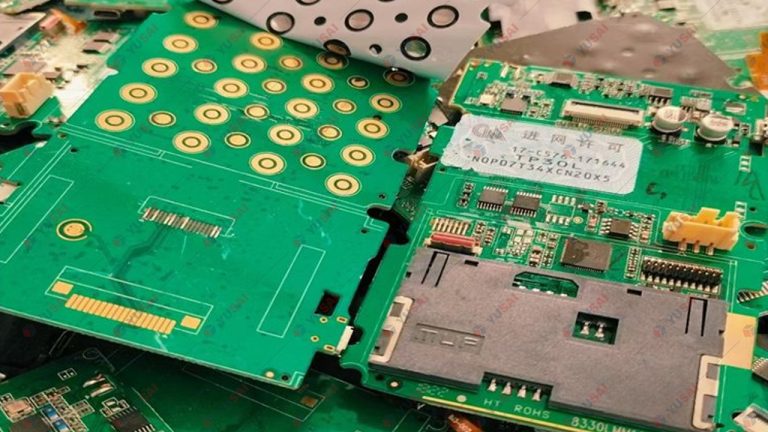
PCB and electronic connectors are plated with silver for high conductivity and corrosion resistance. When silver coatings degrade or fail, electrolytic stripping is applied for rework and component repair.
5.2 High-Precision Manufacturing
Precision instruments and optical components demand controlled, selective silver stripping. This process helps maintain dimensional accuracy and improve finished part performance.
5.3 Precious Metal Recycling
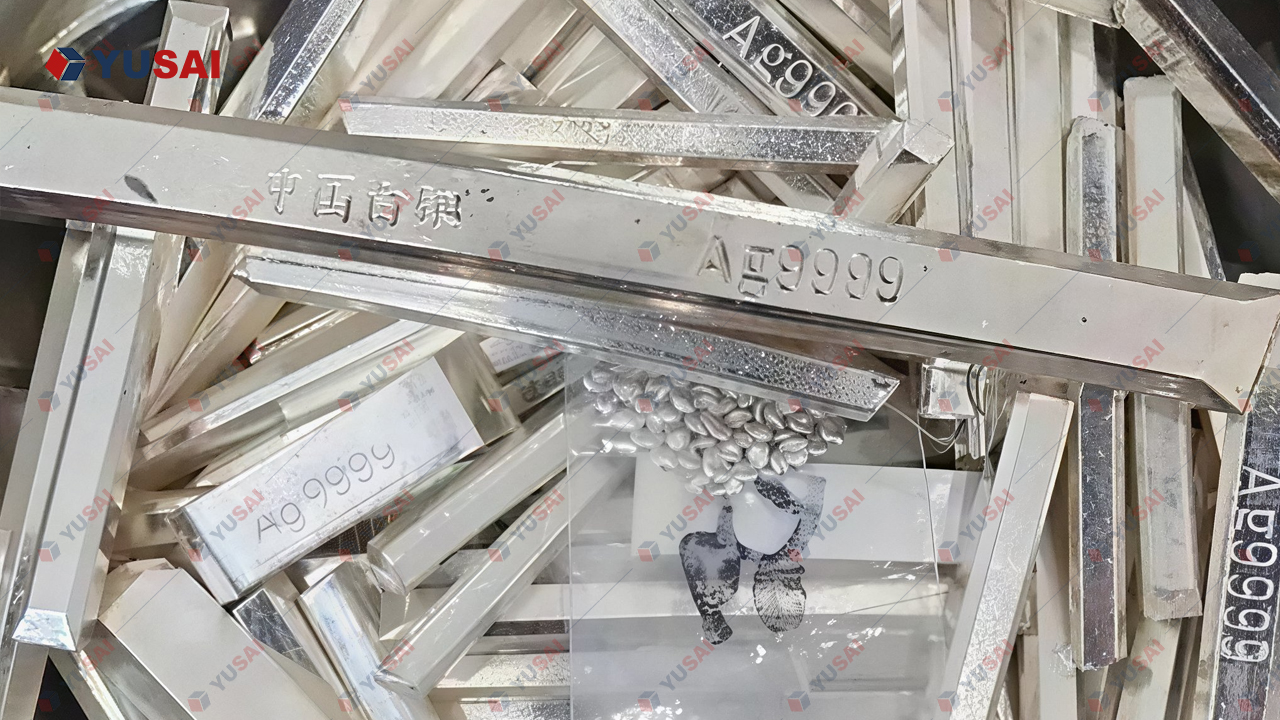
This technology is extensively used in precious metal recovery. Silver is separated from silver-plated scraps and recycled as raw material, realizing circular resource utilization.
Conclusion
Electrolytic silver stripping is a reliable surface treatment technology suitable for diverse industrial requirements. In real production, operators shall select matching electrolyte, temperature and electrical parameters to obtain targeted stripping outcomes. Proper implementation of electrolytic silver stripping effectively addresses aging and defective silver plating issues, preserves substrate integrity and supports valuable silver recovery to cut production costs.