Introduction to Gold Extraction from Gold-Plated Wastes
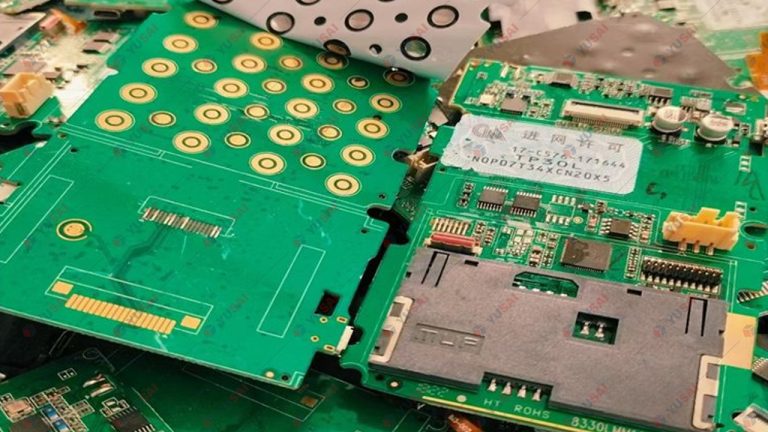
Gold-plated waste refers to discarded components coated with a thin gold layer by electroplating or chemical plating techniques. These items become obsolete due to functional failure, outdated designs, or defective products generated during manufacturing. Major sources cover discarded PCBs, electrical connectors, chip pins from the electronics industry, jewelry production scraps, industrial catalytic carriers, and leftover high-end decorative parts. Although the gold content within these wastes is relatively low, gold’s inherent scarcity and high market value make the extraction process commercially attractive.
Recovering gold from gold-plated scraps helps conserve limited mineral resources and lessens ecological pressure brought by primary gold mining. It also cuts down land occupation and contamination risks caused by waste stockpiling. From an economic perspective, the extraction process converts waste materials into high-purity gold raw materials, creating extra profit for businesses. Meanwhile, it promotes the development of circular economy. Standardized recycling practices foster public recognition of efficient resource utilization and push forward the adoption of green manufacturing concepts.
1. Definition and Primary Sources of Gold-Plated Wastes
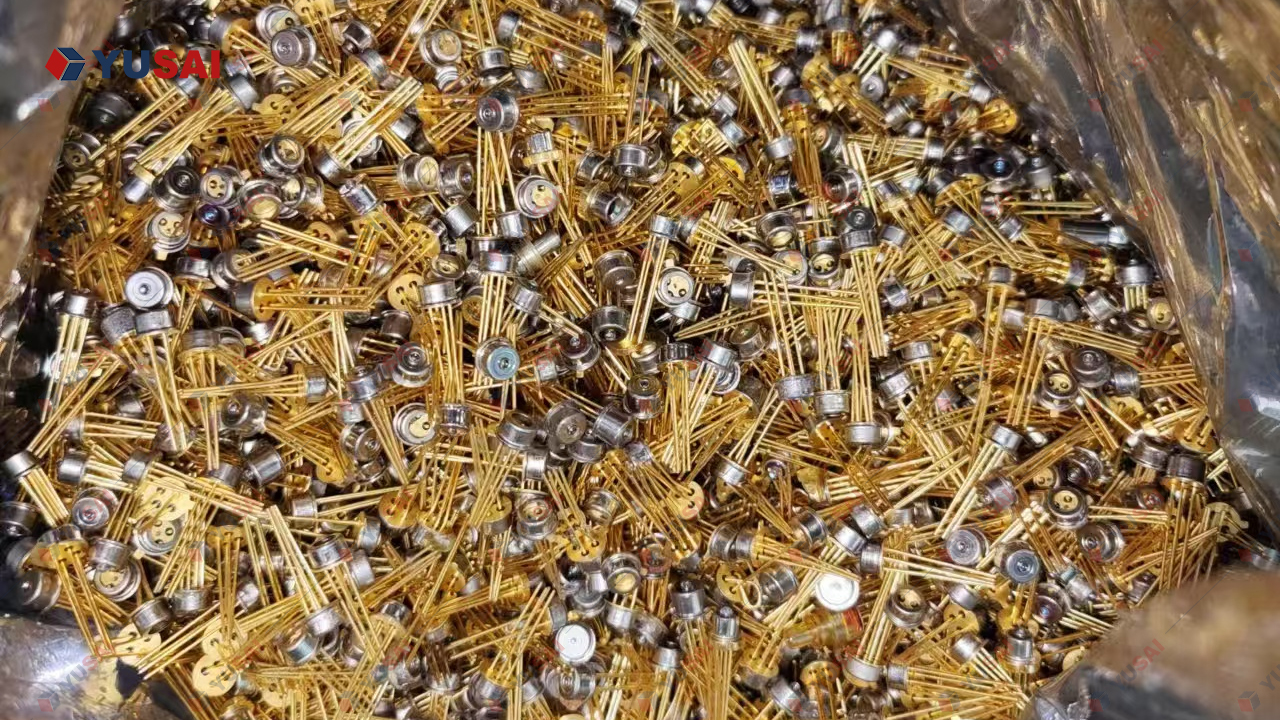
Gold-plated wastes are discarded parts with substrates made of ordinary metals (copper, nickel, iron) or non-metallic materials (ceramic, plastic), covered by a micron-thin gold film via electrodeposition or chemical displacement. The gold coating serves to boost electrical conductivity, resist oxidation or enhance visual appearance. Once their service life ends, these scraps become valuable secondary resources.
Within electronic manufacturing, retired integrated circuits, memory sticks, processor sockets and various connectors constitute the bulk of gold-plated waste. The precious metal processing sector generates scraps such as gold-plated watch shells and jewelry supports. In industrial fields, outdated gold-plated catalyst carriers for chemical reactors and old lab components also enter the waste stream.
Classifying scraps by gold coating thickness, base material and contamination level is the first step of recovery, which allows operators to select the most suitable extraction technology.
2. Rationale and Core Advantages of Gold Recovery
Gold is a non-renewable metal facing continuously rising global demand. Traditional gold ore mining consumes enormous energy, damages natural habitats and releases massive greenhouse gases. In contrast, recovering gold from waste consumes far less energy and creates a much smaller environmental footprint. For instance, one ton of waste circuit boards from mobile phones may contain more gold than one ton of high-grade gold ore, a fact that fuels the rising concept of “urban mining”.
Three core advantages are summarized below:
- Environmental benefits: Reduce the risk of hazardous heavy metals leaching out from solid waste.
- Economic benefits: Lower raw material procurement costs and build new revenue streams.
- Resource security: Reduce dependence on imported gold and strengthen supply chain stability.
After proper refining, recovered gold can meet the requirements for re-production, realizing closed-loop resource circulation.
Safety Preparation and Required Supplies
Adequate safety preparation is essential before starting gold extraction operations to protect operators and surrounding environments. All work must be carried out in a dedicated workspace with strong ventilation, far away from ignition sources and residential zones. A fume hood or outdoor operation bench is highly recommended.
Operators need to understand that most extraction processes involve corrosive chemicals, toxic vapors and electrical hazards. Careless operations may lead to severe accidents. Standard operating procedures must be established, and operators need basic chemistry knowledge. All tools and chemicals shall be stored separately to avoid cross-contamination. Work areas should be clearly marked with safety data sheets introducing chemical hazards and emergency response measures.
1. Safety Protection and Risk Control
Personal protective equipment comes first. Operators shall wear chemical goggles to block liquid splashes, acid & alkali resistant gloves and long-sleeve lab coats to avoid direct skin contact with chemicals. A respirator (for acid gas and dust) and corrosion-resistant apron are recommended. Continuous ventilation must be maintained during chemical reactions that produce gas; operations in sealed spaces are strictly forbidden.
Electrolysis devices must be reliably grounded, and their insulation should be inspected regularly. All chemical containers shall be clearly labeled with substance name, concentration and hazard grade. Never work alone; keep another person on standby for emergency support. All staff need to master the locations and usage of emergency showers and eyewash stations, as well as first-aid measures for chemical burns.
2. Required Tools and Materials
A full set of dedicated tools and consumables is required:
- Containers: acid-resistant glass beakers, plastic buckets or ceramic crucibles, selected according to processing capacity.
- Heating devices: adjustable hot plate or water bath for precise temperature control.
- Filtration equipment: Buchner funnel, suction flask, qualitative filter paper and glass stirring rods.
- Measuring instruments: electronic balance (0.1 g accuracy), pH test strips or pH meter, graduated cylinder and thermometer.
- For electrolysis: DC stabilized power supply, electrode plates (titanium mesh or stainless steel) and electrolytic cell.
Common chemical reagents:
- Dissolving agents: nitric acid, aqua regia (blend of hydrochloric acid and nitric acid).
- Reducing agents: oxalic acid, sodium sulfite or zinc powder to precipitate elemental gold.
- Neutralizers: sodium hydroxide or sodium carbonate.
Check the purity of all materials before use to prevent impurities from degrading gold recovery quality.
Introduction to Main Extraction Technologies
Gold extraction technologies for gold-plated wastes are developed based on gold’s chemical stability and physical characteristics. Major methods include chemical leaching, electrolytic extraction and auxiliary physical & mechanical separation. The selection of technology depends on waste type, gold coating thickness, base substrate, processing scale, target gold purity and budget.
Chemical leaching works well for thin gold coatings, complex-shaped parts or non-metallic substrates. It dissolves gold into liquid for subsequent separation and purification. Electrolytic extraction fits conductive metal base materials but requires higher equipment investment. Each method has its applicable scenarios and drawbacks and needs comprehensive evaluation.
1. Chemical Leaching: Principle and Application
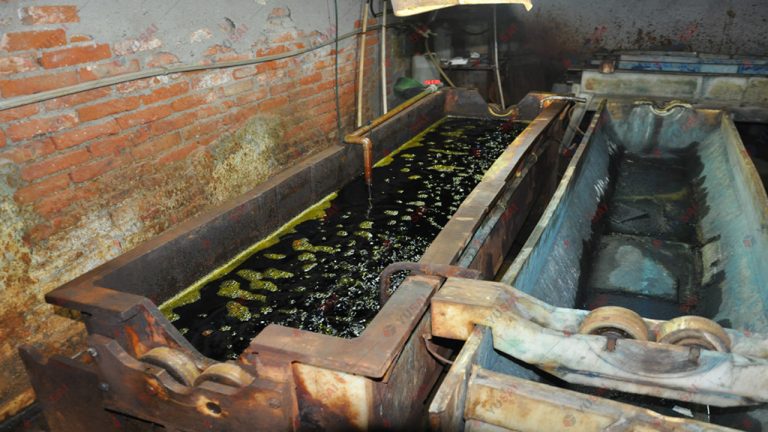
Chemical leaching selectively dissolves gold plating off the substrate to form gold ion solution, followed by chemical reduction to precipitate solid gold. Aqua regia is widely adopted to oxidize gold into chloroauric acid (HAuCl₄) in liquid phase. Cyanide solution (subject to strict regulation and extreme safety control) or iodine-potassium iodide system can also be used for certain low-interference waste materials.
This method suits small batches and mixed scraps such as waste jewelry, labware and electronic components. Advantages: flexible for irregular workpieces, relatively mild reaction conditions. Disadvantages: hazardous waste liquid needs post-treatment, high reagent consumption.
2. Electrolytic Extraction: Principle and Application
Electrolytic extraction relies on electrochemical principles. Gold-plated waste acts as the anode inside specially formulated electrolyte. When power is connected, gold atoms on the anode lose electrons and turn into gold ions in solution. Gold ions then gain electrons and deposit as pure gold on the cathode surface.
Electrolyte options include potassium cyanide / sodium cyanide solution (strictly controlled hazardous substance) or eco-friendly cyanide-free electrolyte such as gold sulfite solution. This technology is ideal for conductive metal substrates (copper, brass) with intact gold plating, such as electrical connectors and card slots.
Advantages: high purity of recovered gold, continuous operation mode and low reagent consumption. Limitations: only applicable to conductive scraps, not suitable for non-metallic substrates, high upfront equipment cost.
3. Alternative Methods (Mechanical Separation)
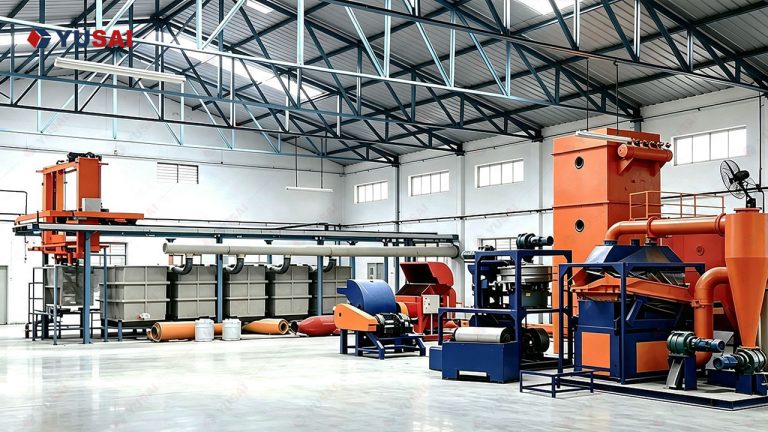
Besides wet chemical and electrochemical processes, physical mechanical separation can be deployed for specific scenarios. Mechanical methods strip gold plating through high-speed friction, grinding or impact, separating brittle gold coating from tough base materials. Gold dust is then separated from substrate materials using gravity separation (shaking table) or eddy current separation.
This approach applies to scraps with weak coating adhesion or obvious density difference between gold and base material. Strengths: no chemical pollution, simple operation. Weaknesses: relatively low recovery rate, dust containment required, lower gold purity compared with hydrometallurgy.
Pyrolysis (high-temperature incineration) is occasionally used for plastic-based gold-plated waste to enrich gold by burning organic components, yet air pollutant emissions limit its large-scale application.
Step-by-Step Operation Guide
Successful gold extraction depends on systematic and careful workflows. Both chemical and electrolytic processes demand strict control of every stage and real-time observation of intermediate products for parameter adjustment. The whole workflow starts with waste pretreatment to remove surface contaminants and create uniform reaction conditions. Leaching or electrolysis serves as the core stage, requiring precise control of reaction time and intensity. Precipitation and purification directly determine final gold quality and recovery yield.
1. Workflow of Chemical Leaching
Gold extraction via chemical leaching consists of multiple chemical transformation and physical separation steps.
(1) Waste Pretreatment and Leaching Preparation
Pretreatment determines reaction efficiency. First, sort gold-plated waste and remove non-gold and unidentified pieces. Clean oil, adhesive and surface contaminants with organic solvents like alcohol or acetone. Mechanically crush electronic waste wrapped in plastic/resin to expand reaction contact area.
Soak materials briefly in dilute acid (5%–10% dilute sulfuric acid or hydrochloric acid) to dissolve rust and oxide layers covering gold plating. Rinse repeatedly with deionized water until neutral and fully dry.
Estimate chemical dosage according to waste weight and gold layer thickness. For aqua regia preparation, mix concentrated hydrochloric acid and concentrated nitric acid at a volume ratio of 3:1. Always add nitric acid slowly into hydrochloric acid inside a fume hood and cool down to room temperature before application.
(2) Gold Leaching and Solid-Liquid Separation
Slowly add pretreated waste into prepared aqua regia in a fume hood with continuous ventilation. Mild heating (60–80°C) accelerates reactions; avoid violent boiling. Reddish-brown nitrogen dioxide gas releases and the solution turns orange-yellow as chloroauric acid forms. Keep stirring until gas generation stops and solution color stabilizes (usually several hours).
Let the mixture stand for solid sedimentation. Separate gold-bearing solution from solid residues via vacuum filtration or decantation. Wash solid residues with dilute acid and deionized water, combine washing liquid with the main gold solution to maximize gold recovery. The resulting solution contains gold ions plus dissolved base metal impurities.
(3) Gold Precipitation and Purification
Gold precipitation from pregnant solution is the core procedure. Common reducing agents: oxalic acid, sodium sulfite or thiourea dioxide. Take oxalic acid as an example: carefully adjust pH of gold solution to 1–2 with sodium hydroxide solution. Heat to around 70°C under stirring, then slowly add saturated oxalic acid solution. The solution darkens and fine brown/black gold powder precipitates. Keep stirring until precipitation completes and supernatant clarifies.
Age the mixture for several hours and filter to collect gold powder precipitate. Wash the gold powder alternately with dilute hydrochloric acid and hot water to remove adsorbed impurity ions. Dry the cleaned gold powder together with filter paper at 100°C in an oven. For higher purity, mix dried gold powder with a small amount of borax as flux, then melt into gold ingots in a graphite crucible above 1000°C.
2. Workflow of Electrolytic Extraction
Electrolytic extraction suits regular waste pieces with conductive base substrates. Secure gold-plated waste as the anode, and use chemically stable titanium mesh as the cathode. Immerse anode and cathode in electrolyte (1%–2% potassium cyanide solution under strict compliance, or cyanide-free gold sulfite electrolyte). Maintain fixed spacing between electrodes.
Connect DC power supply, set initial voltage at 2–4 V and adjust current density according to cathode area. During electrolysis, gold dissolves from the anode and deposits on the cathode as compact sponge gold or bright plating. Stop electrolysis when gold deposition reaches target thickness or the anode is fully consumed.
Take out the cathode carefully, scrape off deposited gold and rinse thoroughly with deionized water. Purification steps are similar to chemical leaching: remove co-deposited impurities via acid washing, followed by drying and melting. Electrolyte can be recycled after replenishing active components and periodic impurity removal.
Troubleshooting & Risk Prevention Guide
Operators often encounter technical challenges during gold extraction. Improper handling reduces recovery efficiency and may trigger safety incidents. It is critical to identify potential hazards in advance and master countermeasures. This section covers safety emergency handling, efficiency optimization and typical operational errors. Prevention is the priority to eliminate risks before accidents occur.
1. Safety Risk Prevention & Emergency Handling
Chemical hazards constitute the main threat. Aqua regia generates toxic chlorine and nitrogen oxides during preparation and application. Operations must run under strong ventilation. Never mix aqua regia with ammonia to prevent explosive gold chloride compounds. Cyanide chemicals require locked storage, dual-person operation and dedicated antidotes (amyl nitrite, administered by trained professionals).
Emergency rules:
- Skin contact with acid: flush continuously with plenty of water for at least 15 minutes and seek medical help if needed.
- Acid splashing into eyes: continuous water flushing and immediate medical treatment.
- Small chemical fire: use dry powder fire extinguisher; do NOT use water.
Record all accidents and analyze root causes to upgrade operating procedures.
2. Efficiency Improvement Tips
Optimize each stage to boost recovery yield. In pretreatment, mechanical crushing increases specific surface area and shortens leaching time. Maintain temperature at 70–80°C with steady stirring during leaching for sufficient reaction. Select proper reducing agents and control feeding speed and pH to raise gold precipitation rate and obtain filterable gold particles.
For electrolysis, optimize current density and electrolyte flow to reduce polarization and improve current efficiency. Implement simple titration analysis to monitor gold concentration in solution, judge reaction endpoint accurately and avoid reagent waste or incomplete reaction.
3. Common Operating Mistakes to Avoid
Most recovery failures originate from basic misoperation:
- Insufficient pretreatment: oil and oxide layers hinder gold leaching.
- Wrong aqua regia mixing sequence: adding hydrochloric acid into nitric acid causes violent exothermic reaction.
- Rapid reducer feeding or poor pH control: ultra-fine gold precipitate passes through filter paper and causes gold loss.
- Improper filter paper selection leads to gold powder leakage.
- Poor anode connection or too small electrode gap in electrolysis causes uneven current distribution and poor gold deposition quality.
Follow standard procedures strictly and conduct post-operation review to avoid these errors.
Conclusion & Practical Value
Gold extraction from gold-plated wastes converts waste into valuable materials and realizes circular economy. It delivers direct economic returns as well as environmental and sustainability benefits. With systematic learning and standardized operation, enterprises can carry out precious metal extraction safely and efficiently. Driven by technological progress and stricter environmental regulations, extraction processes are evolving toward higher efficiency and cleaner production.
1. Environmental & Economic Value Summary
Environmentally, recycling reduces landfill volume of e-waste and lowers the risk of heavy metal and persistent organic pollutants releasing into soil and water. Compared with primary gold mining, waste gold extraction saves water and energy, cuts greenhouse gas emissions and protects natural ecosystems.
Economically, recovered gold provides low-cost raw materials and stabilizes resource supply. Practitioners gain profitable revenue while building awareness of resource conservation and environmental protection.
2. Daily Application & Continuous Optimization Advice
Start with small batches of simple waste to accumulate experience before handling complex feedstock. Keep operation logs recording waste type, reagent consumption, recovered gold weight and encountered issues for process optimization. Keep up with industry developments of cyanide-free electrolyte and ionic liquid extractants for greener extraction. Communicate with peers to share experience.
Always prioritize safety, inspect equipment regularly and update safety knowledge. Continuous learning and optimization make gold extraction safer, more efficient and sustainable.