Introduction
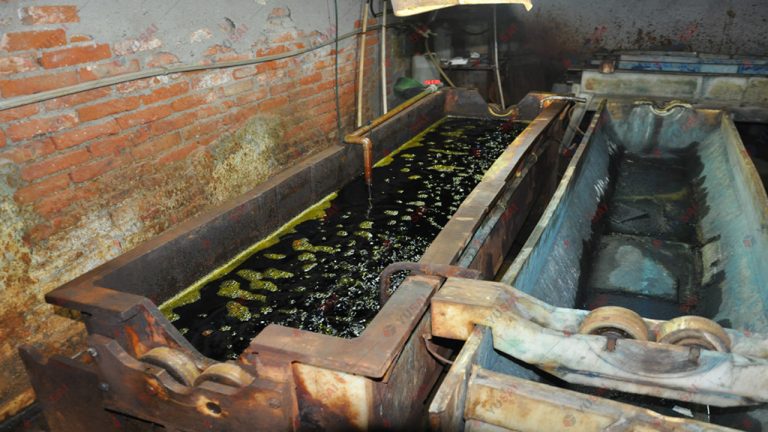
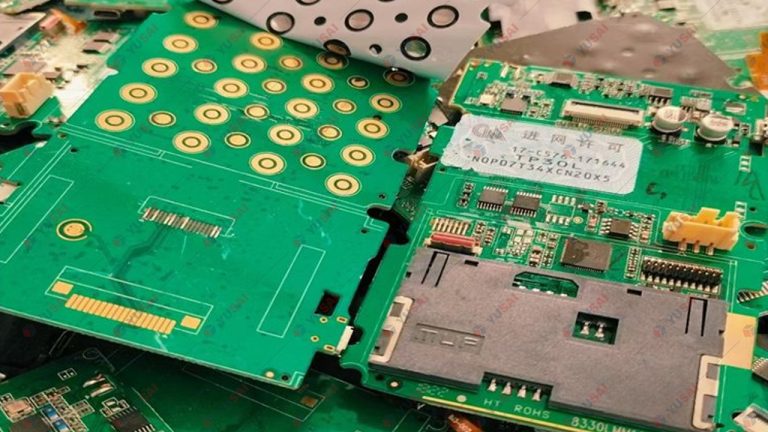
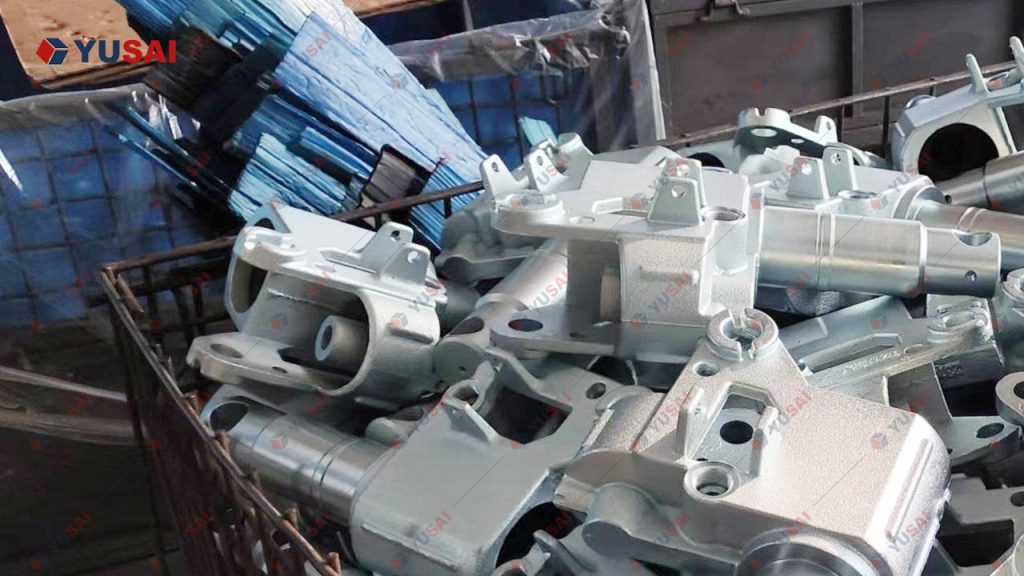
Metal surface deplating, also known as plating stripping, is a hydrometallurgical pretreatment process that removes electroplated layers from base metal substrates by chemical means. It is widely used for reworking defective plated parts, processing waste electronic components, plated scrap and spent catalysts. The stripping process releases gold, silver, platinum, palladium, rhodium and other precious metals for subsequent enrichment, separation and refining.
This article introduces common immersion chemical deplating systems, including acid-based strippers and alkaline-based strippers, with practical formulations and industrial operation guidelines for technical reference.
Acid-Based Deplating Solutions
Acid stripping baths feature fast stripping speed. They are commonly used to remove copper, nickel, tin, gold and silver plating layers. Stripping efficiency is highly affected by solution temperature and immersion time. Small sample tests are strongly recommended before mass production.
Formula A (Acid Stripper)
- Nitric acid: 100 ml
- Sulfuric acid: 100 ml
- Water: 800 ml
Operation: Mix all components thoroughly to prepare the stripping bath. Immerse workpieces in the solution. Adjust temperature and soaking time according to coating thickness and base metal material to avoid over-etching the substrate.
Formula B (Acid Stripper)
- Nitric acid: 200 ml
- Phosphoric acid: 100 ml
- Water: 700 ml
Operation: Stir all raw materials evenly. Submerge plated scrap in the solution. Keep a close watch on the reaction progress to prevent corrosion damage to the base material.
Alkaline-Based Deplating Solutions
Alkaline deplating baths have milder corrosivity. They are suitable for base substrates that cannot resist strong acid attack. The selection of formula depends on the composition of plating layers and base metal types.
Formula A (Alkaline Stripper)
- Sodium hydroxide: 100 g
- Water: 900 ml
Operation: Fully dissolve sodium hydroxide in water. Dip components into the alkaline bath. Control temperature and immersion time to reach the required stripping effect.
Formula B (Alkaline Stripper)
- Sodium carbonate: 150 g
- Ammonium bicarbonate: 100 g
- Water: 750 ml
Operation: Dissolve solid powders and stir thoroughly. Immerse plated scrap. Adjust soaking time according to actual stripping performance.
Critical Safety & Industrial Operation Notes
- Operators must wear chemical-resistant gloves, safety goggles and protective clothing. Acid and alkaline solutions can cause severe chemical burns once touching skin or eyes. Operations should be carried out in well-ventilated workshops.
- Strictly follow the mixing ratios. Improper proportions will lead to unstable stripping rate, incomplete coating removal or permanent damage to base metal substrates.
- Choose acid or alkaline stripper according to your scrap’s base metal and plating layer. Always test on small scrap samples before batch production.
- Temperature and immersion time are key control parameters. Higher temperature speeds up stripping while increasing the risk of substrate etching.
- Rinse workpieces completely after deplating to remove residual chemical reagents.
- Waste deplating liquor contains dissolved precious metal ions. Direct discharge is prohibited. Waste liquid needs treatment with dedicated waste gas and waste liquid facilities. Dissolved precious metals can be recovered via hydrometallurgy or electrowinning units.
From Deplating to Precious Metal Refining — Complete Process Overview
Deplating is only the pretreatment step. After stripping, precious-metal-rich solutions or solid materials require further enrichment, separation, purification and electrorefining to produce high-purity gold, silver, platinum, palladium, rhodium, as well as scattered rare metals such as indium, gallium and tellurium.
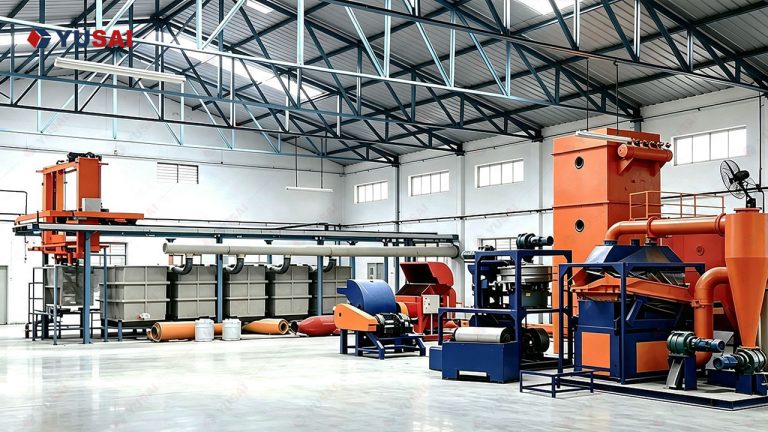
The full recovery workflow is supported by matched equipment as below:
- Hydrometallurgical refining system
- Electrorefining and electrowinning equipment (high-current-density electrolytic cells for gold, silver and copper)
- Leaching agitation tanks, enamel reaction kettles and waste gas treatment systems
- Custom production line layout designed based on raw material type, daily processing capacity and site conditions
Available technical services include raw material sample testing, process scheme design, equipment fabrication, on-site installation, commissioning and operator training.
Conclusion
Chemical deplating formulations are the foundation for stripping precious metal plating layers from scrap substrates. Proper selection between acid-type and alkaline-type strippers enables controlled and efficient coating removal.
If you process precious-metal-plated e-waste, spent catalysts and other plated scrap materials, and need integrated deplating and precious metal recovery technology and supporting equipment, feel free to send your inquiry for a tailored solution.