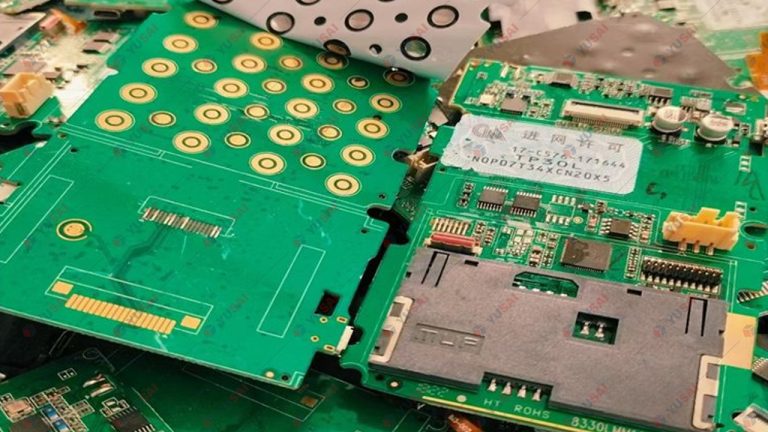
These raw materials originate from sources such as polishing dust from gold pen nib manufacturing, scrap and filings from gold leaf production, dust generated during jewelry polishing and chain hammering, and abrasives used in the manufacture of nylon spinnerets. The processing methods are as follows:
(1) Pyrometallurgical smelting: Coarse sand, debris, and other impurities are first screened out of the gold-bearing dust. The materials are then mixed in a ratio of 100 (dust) : 1.5 (lead oxide) : 30 (sodium carbonate) : 20 (niter). After thorough mixing, the blend is placed in a crucible, covered with a thin layer of borax, and smelted in a furnace to produce precious lead. Cupellation is then used to obtain crude gold. If the crude gold contains platinum, aqua regia can be used to dissolve it, allowing for the subsequent separation of platinum and iridium.
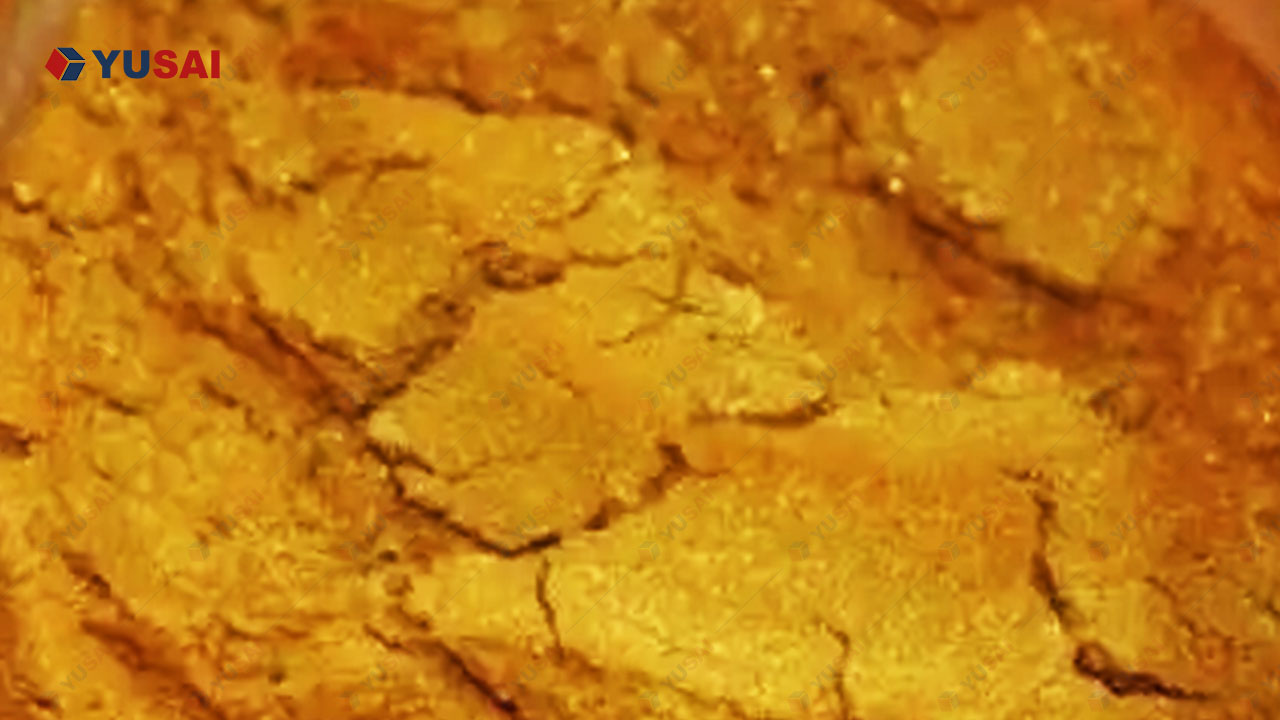
(2) Hydrometallurgical separation: Polishing dust containing gold, platinum, and iridium is first dissolved in aqua regia; since iridium is insoluble in aqua regia, iridium powder is obtained via filtration. Ammonium chloride is used to precipitate platinum ((NH4)2PtCl6) from the filtrate, and sulfur dioxide is subsequently used to reduce the gold in the remaining solution.