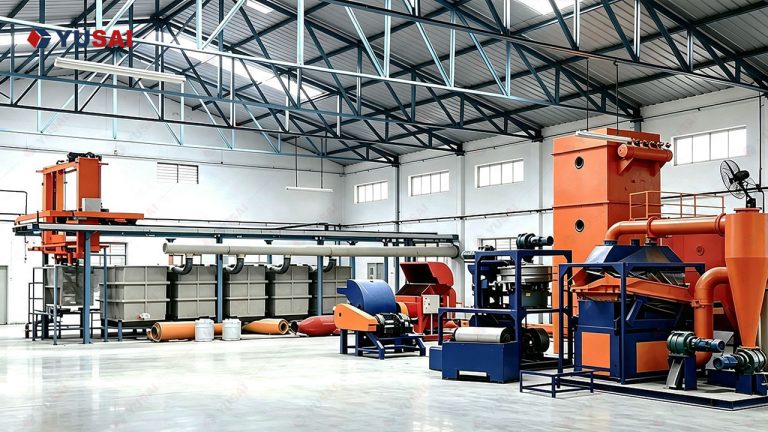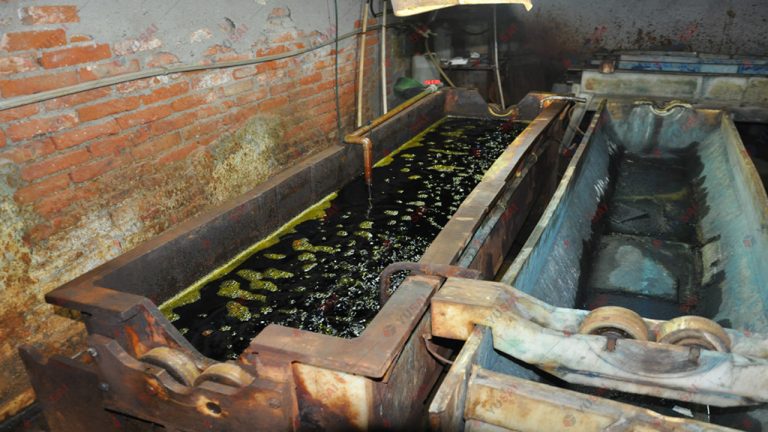
Silver can be recovered from spent fixing solutions using methods such as metal displacement, chemical precipitation, electrowinning, or ion exchange adsorption.
1. Metal Displacement Method
Metal displacement is one of the simplest methods for recovering silver from spent fixing solutions. Silver exists in forms such as NaAg₂O₃ or as complexes like [Ag(S₂O₃)ₓ]³⁻⁻²ˣ (where x=3–5). Reducing agents such as iron, copper, zinc, aluminum, or magnesium can be used, with iron sheets or iron filings being the most common choices. The process involves adding a small amount of sulfuric acid (to adjust the pH to 4) and introducing thin iron sheets or filings at 40°C to facilitate displacement. After removing the supernatant and washing the silver off the iron, an equal weight of iron and an appropriate amount of concentrated hydrochloric acid are added; the mixture is boiled for 15–20 minutes to reduce silver compounds and dissolve impurities. Following solid-liquid separation, washing (twice), filtration, and rinsing with distilled water until free of chloride ions, the product is dried to yield crude silver powder with a silver content exceeding 98%. The actual consumption of iron powder is 0.5 kg per kg of silver, with an optimal particle size of 0.01–0.1 mm. Using zinc, aluminum, or magnesium powder as the reducing agent results in faster displacement rates, higher silver recovery, and shorter reaction times. Metal displacement can be carried out in various types of displacement reactors.
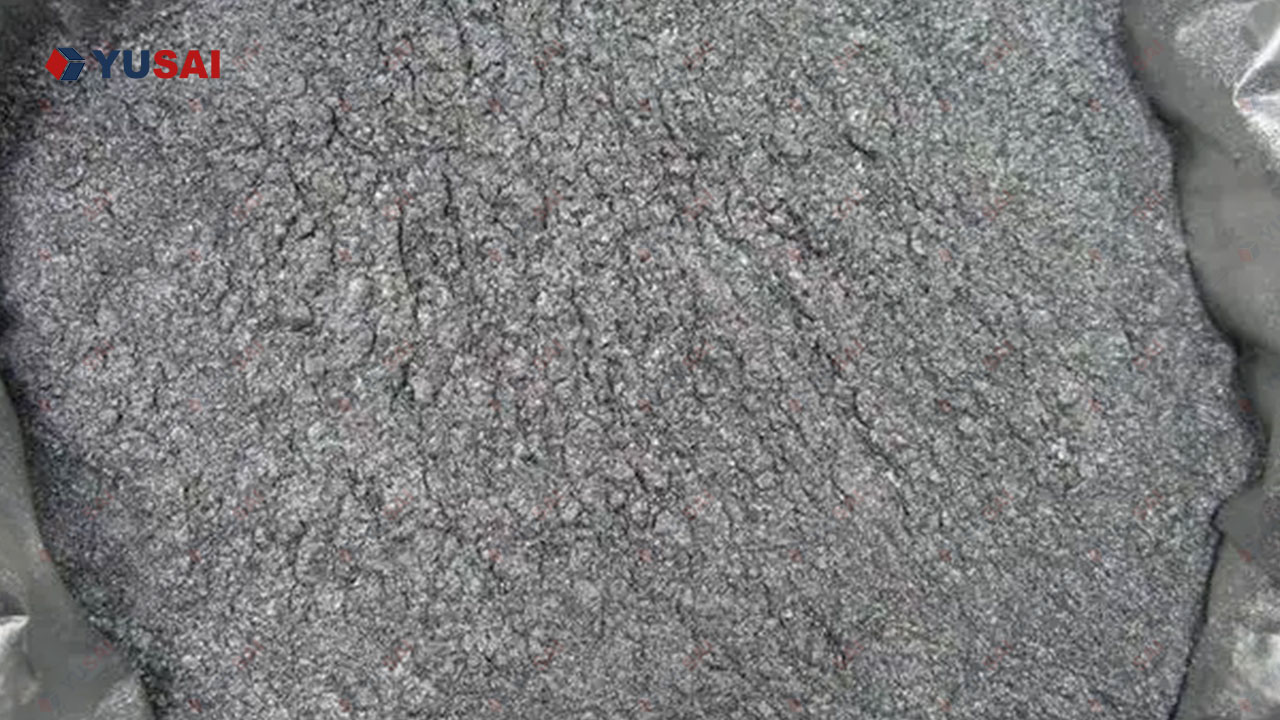
2. Chemical Precipitation Method
Sodium sulfide or hydrogen sulfide gas is used as the precipitating agent. When using sodium sulfide, the dosage is 1–1.5 kg per kilogram of silver. To determine the precipitation endpoint, 2–3 drops of the supernatant are placed on filter paper, and a drop of sodium sulfide solution is added to the edge of the sample drop; the appearance of a black or dark precipitate indicates incomplete silver precipitation, requiring the addition of more precipitating agent, whereas a pale yellow color at the edge indicates complete precipitation. Once the endpoint is reached, the mixture is allowed to stand for 1–2 hours. The supernatant is removed, and the remaining mixture is heated to boiling to cause the silver sulfide to coagulate into clumps. After cooling slightly, the product is filtered while hot, washed, and dried to yield silver sulfide. Spent fixing solution can be regenerated after silver is precipitated via sulfidation; the solution is ready for reuse after adding 0.4–0.9 kg of sodium thiosulfate, 67–89 g of potassium alum, and 90 mL of glacial acetic acid per liter.
Methods for extracting silver from silver sulfide include:
(1) Nitric acid oxidation method: Dissolve the material in dilute nitric acid (acid-to-water ratio of 1:2–3) and filter. Add saline solution to the filtrate, let it settle, and decant the supernatant. Heat the mixture to boiling to coagulate the silver chloride, then filter and wash the precipitate. Finally, reduce the washed silver chloride to silver powder using hydrazine hydrate in an alkaline solution.
(2) Iron sheet displacement method: Combine 100 g of silver sulfide with 250 mL of concentrated hydrochloric acid and 75 g of iron sheets. Heat to boiling in a fume hood, then transfer to an asbestos pad and continue heating for one hour until the silver is fully reduced. Decant the supernatant, wash with water, and remove the iron sheets. Filter the mixture and wash with distilled water until free of chloride ions. The dried silver powder can be sold or cast into ingots.
3. Insoluble anode electrowinning method
The insoluble anode electrowinning method allows for the direct recovery of silver from spent fixing solution, yielding a product with approximately 95% silver content, while simultaneously regenerating the solution for recycling. This method is suitable for treating large volumes of silver-bearing waste liquid and is widely valued and utilized internationally. Insoluble anode electrowinning generally falls into four categories: conventional electrowinning, sealed mechanical agitation electrowinning (often involving a rotating cathode), circulating electrolyte electrowinning, and mixed-structure electrowinning; dozens of types of electrowinning equipment have been researched and recommended globally. Additionally, reducing agents such as thiourea, glucose, or sodium borohydride can be used to precipitate silver from silver-bearing waste liquid. Extraction techniques also include ion exchange adsorption, adsorption methods, reducing sugar solution methods, and additive regeneration methods.