1. Pyrometallurgy
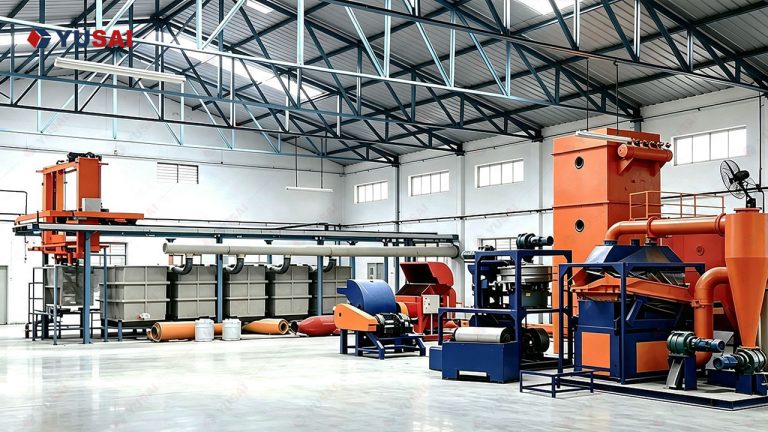
Principle: High-temperature smelting to separate precious metals; suitable for high-melting-point metals.
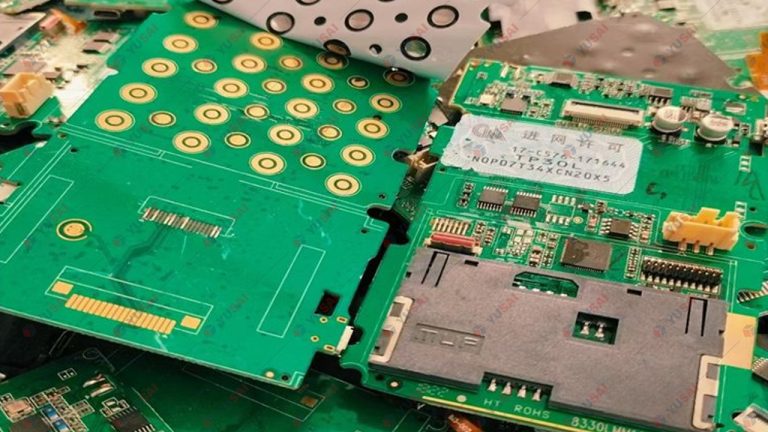
Applications: Electronic waste, automotive catalysts (carrier removal), alloy waste.
Process: Raw material pretreatment → Smelting (1200-1600℃) → Precious metals enriched in slag or alloys → Electrolysis or acid leaching extraction.
Note: Waste gas treatment (e.g., dioxins) is required to prevent precious metal volatilization loss.
2. Hydrometallurgy
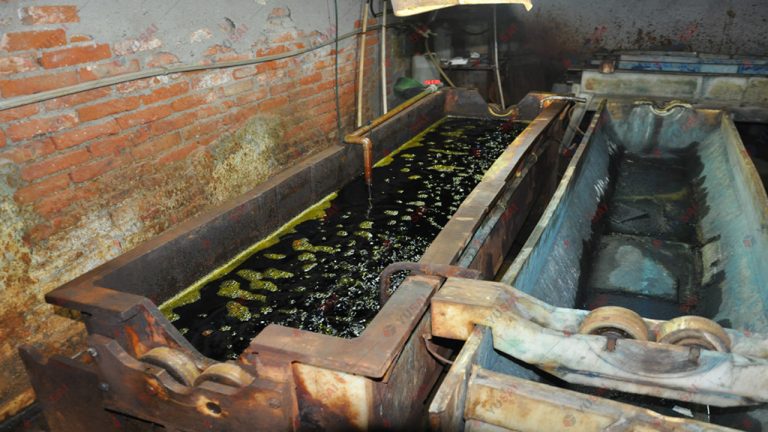
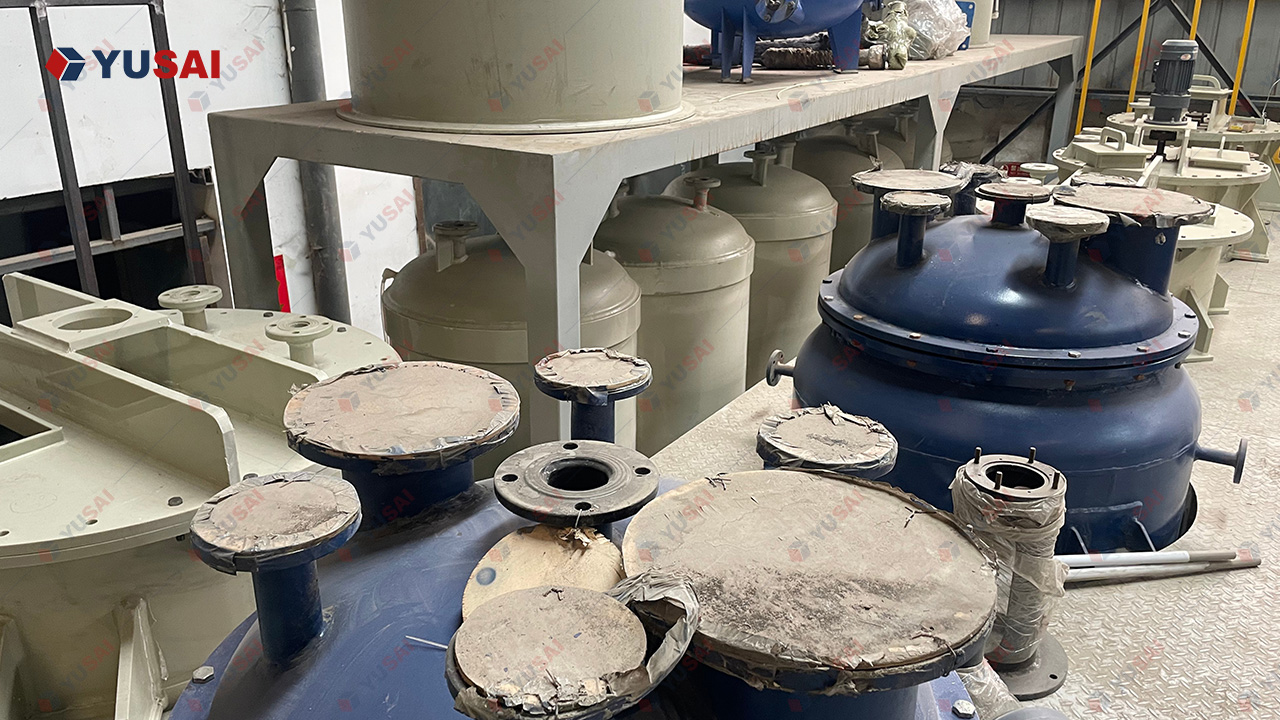
Principle: Chemical solvents selectively dissolve precious metals, which are then recovered through displacement, precipitation, or electrolysis.
Leaching agent selection:
Gold: Sodium cyanide (NaCN) or aqua regia (HNO₃ + HCl).
Silver: Nitric acid (HNO₃) or thiourea.
Platinum group metals: Hydrochloric acid + oxidizing agent (e.g., Cl₂ or H₂O₂).
Process: Raw material crushing → Leaching → Filtration → Solution purification (e.g., zinc powder replacing gold).
3. Biometallurgy
Principle: Microorganisms oxidize and decompose ores, releasing precious metals.
Applications: Low-grade ores, specific electronic waste (e.g., gold-containing circuit boards).
Microorganisms:** *Thiobacillus ferrooxidans*, sulfur-oxidizing bacteria.
Advantages: Environmentally friendly, but inefficient and time-consuming; mostly in the research stage.
4. Electrolysis
Principle: Electrolytic refining and purification of precious metals, such as the electrolytic recovery of silver and gold.
Applications:Electroplating wastewater, high-purity waste.
Process:Wastewater electrolysis → cathode deposition of high-purity metals → stripping and collection.
Cost:High energy consumption; suitable for high-value metals.
5. Chemical Reduction
Principle: Reducing agents (e.g., ferrous sulfate, formaldehyde) reduce ionic metals to elemental form.
Further details on chemical reduction methods are needed to complete the translation. Applications: Recovery of gold from solution (e.g., reduction with NaHSO₃).
Key: Controlling pH and temperature to improve selectivity.
6. Physical Sorting
Steps: Crushing → Sieving → Magnetic Separation (Iron Removal) → Gravity Separation (Shaking Table) → Electrostatic Separation.
Purpose: Pretreatment to enrich precious metals, reducing subsequent chemical processing.
Limitations: Only applicable to loosely bound metals; often used in conjunction with other methods.
7. Ion Exchange and Adsorption Methods
Materials: Activated carbon (adsorbs gold-cyanide complexes), ion exchange resin (selectively adsorbs specific ions).
Flow: Solution column adsorption → Elution (e.g., thiourea solution) → Electrolytic recovery.
Advantages: Suitable for low-concentration solutions; elution efficiency needs optimization.
Recovery Strategies by Source
Electronic Waste: Physical sorting → Wet leaching (aqua regia/cyanide) → Electrolysis/reduction.
Automotive Catalysts: Pyrometallurgical roasting (removal of ceramic support) → Acid leaching of platinum group metals → Solvent extraction separation.
Industrial Catalysts: Alkali fusion (e.g., NaOH melting) → Water leaching → Acid dissolution of precious metals.
Jewelry Waste: Direct smelting → Electrolytic purification (e.g., silver ingots).
Environmental and Safety Considerations:
Exhaust Gas Treatment: Pyrometallurgical processes require dust removal and SCR denitrification systems.
Wastewater Treatment: Neutralize cyanide, recover heavy metal ions, and avoid pollution.
Alternative Reagents: Research cyanide-free gold leaching agents (e.g., thiosulfate) to reduce toxicity.
Technological Trends:
Combined Processes: Physical pretreatment + wet leaching + electrolytic purification to improve overall recovery rate.
Green Technologies: Develop bioleaching, cyanide-free processes, and highly efficient adsorption materials.
Circular Economy: Recover precious metals from “urban mines” to reduce dependence on primary ores.