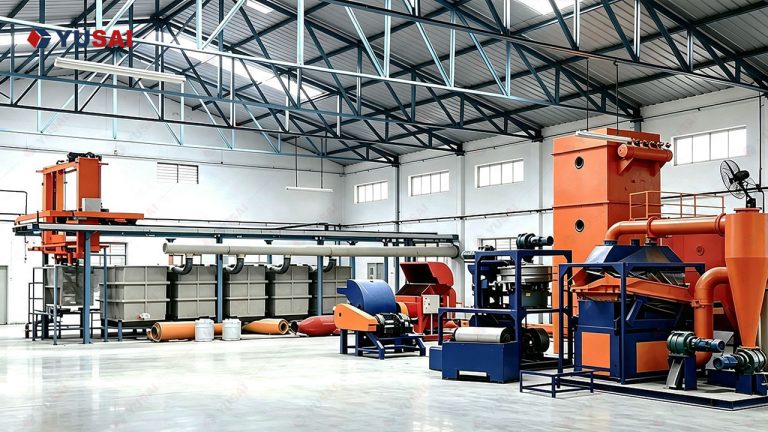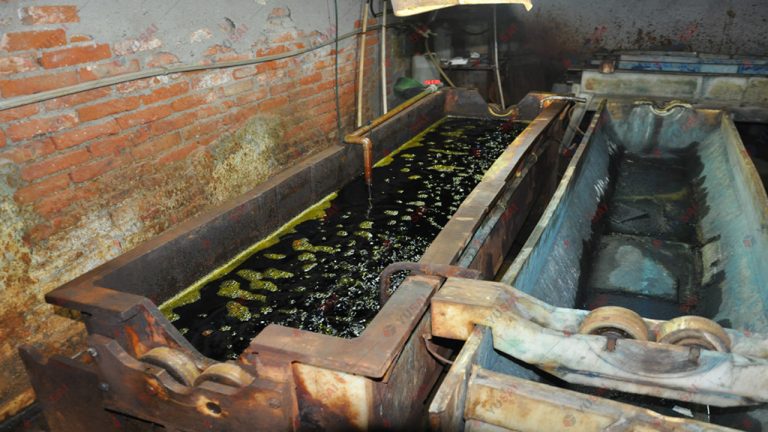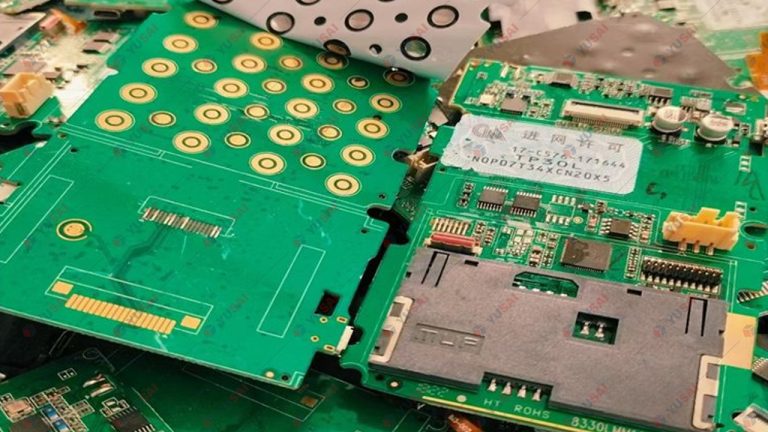
Hydrometallurgical refining of precious metals is a process that uses chemical methods to extract precious metals from ores, waste, or alloys containing precious metals. Compared to dry smelting, hydrometallurgical refining is relatively simple and suitable for low-grade ores or waste. The following will introduce some content related to hydrometallurgical refining of precious metals.
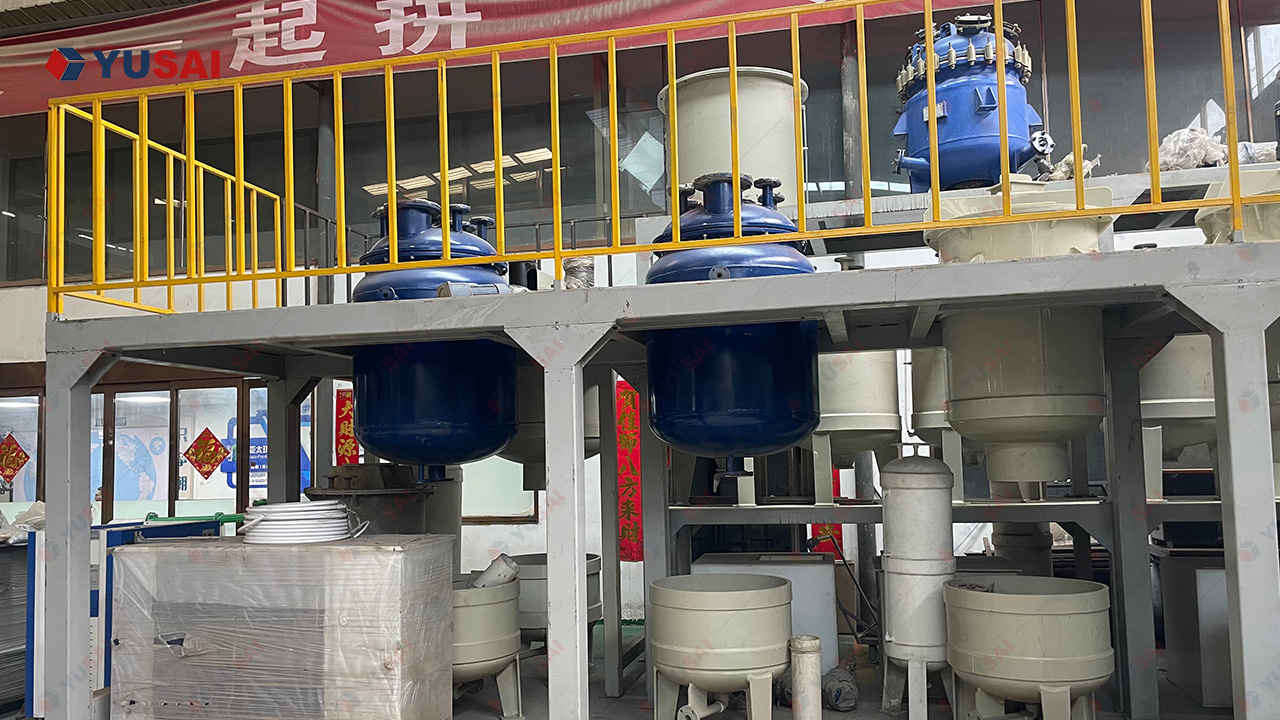
1. Dissolving Precious Metal Ores: Precious metals in ores exist in different compound forms; for example, gold and silver are mostly in the form of cyanides, while platinum group metals exist in the form of chlorates. In the hydrometallurgical process, the ore must first be dissolved, typically using cyanidation, nitric acid, or chlorination methods.
2. Extracting Precious Metals: After dissolving the precious metals, they need to be extracted from the solution through various chemical reactions. Commonly used extraction methods include electrolysis, leaching, and precipitation.
3. Electrolysis: Electrolysis involves electrolyzing a precious metal solution, reducing ions at the anode to metal, which is then deposited on the cathode. This method is suitable for extracting high-purity precious metals.
4. Leaching: Leaching involves reacting a solution containing precious metals with a reducing agent, reducing the precious metals and precipitating them. Leaching is widely used in the smelting of copper- and zinc-containing precious metal ores.
5. Precipitation: Precipitation involves a chemical reaction between precious metal ions and a specific reducing or complexing agent to form a precipitate or complex, thereby extracting the precious metal. Common precipitation methods include the salicylic acid method, the sulfidation method, and the ammonia method.
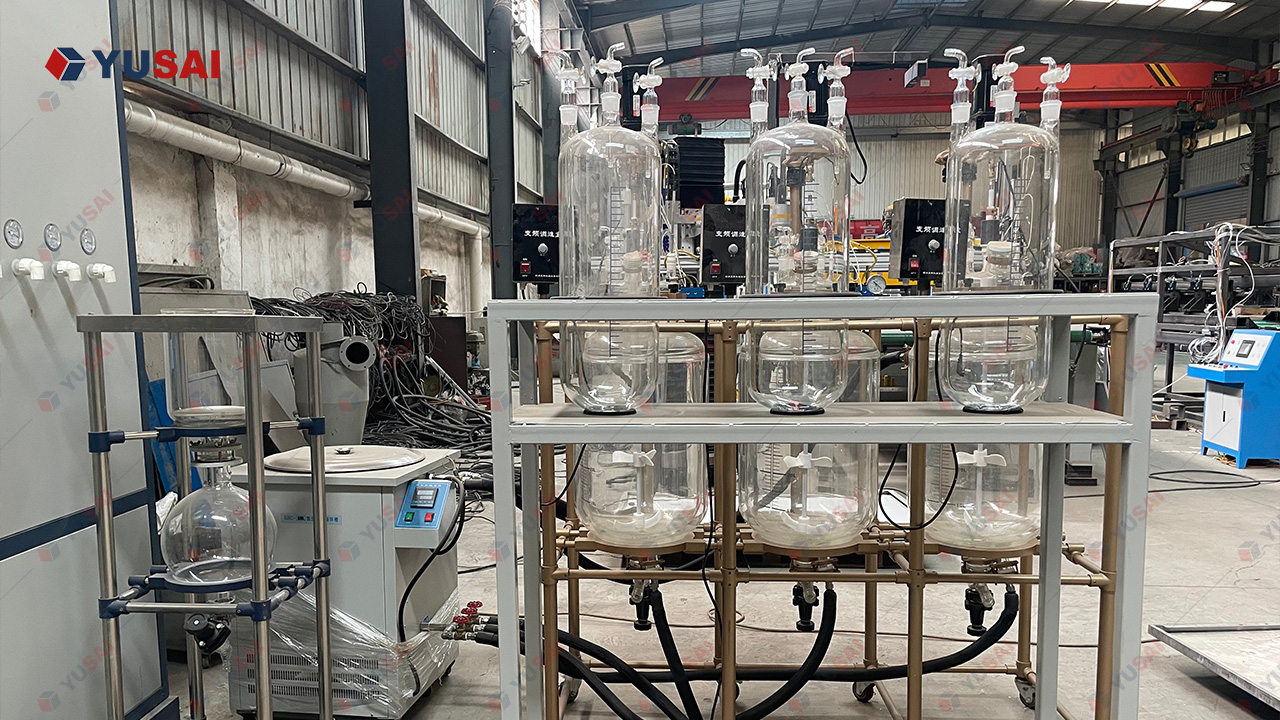
6. Precious Metal Refining: In hydrometallurgical processes, the extracted precious metals are usually not of high purity and require refining to improve their purity. Methods for precious metal refining include ammonium bottom filtration, electrolytic refining, and acid precipitation refining.
7. Precious Metal Recovery: Waste and wastewater generated during hydrometallurgical processes still contain a certain amount of precious metals, which can be recovered through leaching, extraction, and other methods. This improves the recovery rate of precious metals and reduces environmental pollution.
Hydrometallurgical refining of precious metals is an effective method for extracting precious metals, with advantages such as simple process, wide applicability, and high recovery rate. However, hydrometallurgical refining involves the handling of large amounts of chemicals and liquids, requiring strict control of smelting conditions and environmental protection to ensure operational safety and environmental sustainability.