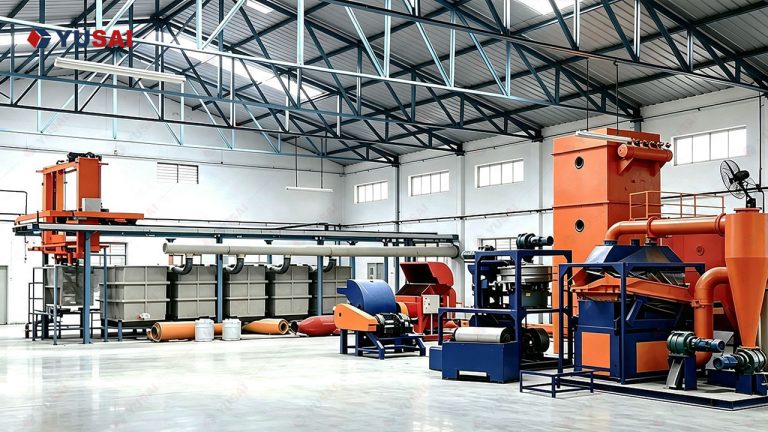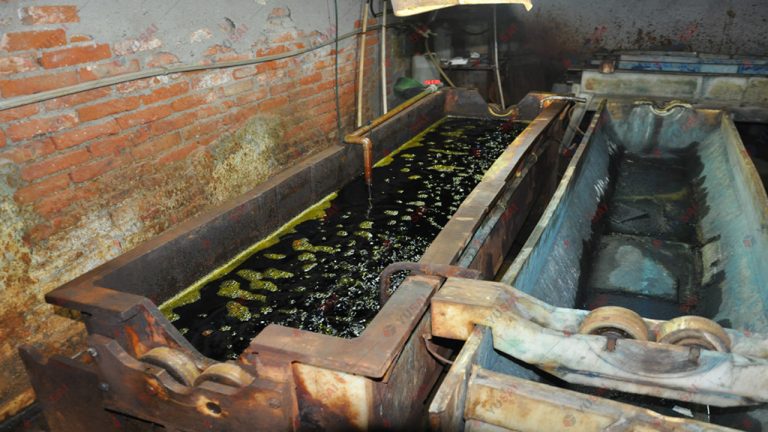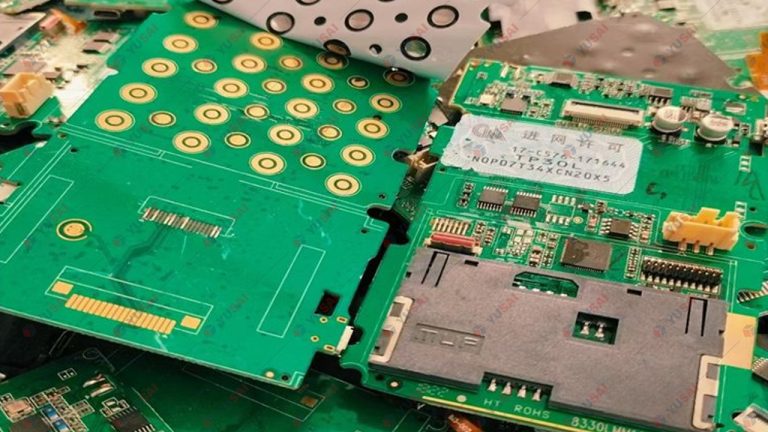
In the recycling of gold-plated electronic components such as high-end circuit boards and semiconductor pins, gold stripping serves as the core process for precious metal resource recovery. Gold-plated workpieces are mostly based on copper-nickel composite substrates with high recyclable value, while the trace gold on the surface is the core profit source of recycling businesses. Nevertheless, the gold stripping stage has long been a technical pain point in the precious metal recycling industry. Conventional crude stripping easily causes excessive corrosion and damage to substrate flatness, accompanied by incomplete gold peeling and loss of precious metals. Once the process gets out of control, not only will the copper and nickel substrates lose their secondary utilization value, but the gold recovery rate will also decline, squeezing profit margins of projects. Overcoming the dual bottlenecks of gold stripping to balance efficient precious metal extraction and substrate protection has become the key for precious metal recycling enterprises to improve quality and efficiency.
Why Does Gold Stripping Lead to Substrate Damage and Precious Metal Loss?
The core objective of gold stripping is to selectively remove the ultra-thin gold plating layer on workpiece surfaces, fully recover gold, and preserve the integrity of copper-nickel substrates to the maximum extent for resale as recyclable materials. However, traditional recycling adopts crude chemical immersion and simple electrolysis processes without precise control of process parameters, which easily triggers double losses. In principle, conventional stripping chemicals lack selective capability to target only gold layers. When chemical concentration, immersion/electrolysis duration or current density exceeds the proper range, corrosive reactions penetrate gaps in the gold coating and continuously erode the underlying copper and nickel base.
Precision gold-plated electronic parts feature thin substrates with strict flatness requirements. Once over-corrosion occurs, pits, dimples and uneven thickness will appear on substrate surfaces, rendering them low-grade miscellaneous materials with greatly depreciated value. Meanwhile, metal ions generated by substrate corrosion contaminate stripping solutions, causing suspended gold loss and difficult precipitation, which directly reduces the gold recovery rate.
For precious metal recyclers, the combined losses from substrate degradation and gold runoff create heavy cost pressure. For a scrapped gold-plated circuit board, out-of-control stripping can slash earnings due to substrate depreciation plus gold loss. In severe cases, large quantities of hazardous waste will be produced, raising environmental disposal costs and directly hurting corporate profitability. All these losses stem from the lack of complete sets of precision-controlled precious metal recovery equipment and process systems for gold stripping.
Core Solution: Balance Gold Recovery Efficiency and Substrate Protection from Equipment & Process Source
To tackle substrate corrosion and precious metal loss during gold stripping, the key is to build an integrated precise control system of selective stripping + real-time recovery relying on complete precious metal recovery equipment. It minimizes substrate corrosion risks and maximizes gold recovery.
For selective chemical stripping, implement a three-in-one dynamic regulation system covering “reagent concentration – temperature – reaction duration”. Conduct small-scale sample tests to determine the optimal process window according to varying gold plating thickness and substrate materials. Match a constant-temperature liquid circulation system to stabilize reaction environments, and adopt PLC automatic timing to control reaction cycles. Adopt environmentally friendly selective gold stripping chemicals that only react with gold layers and restrain erosion on copper-nickel substrates. For precision workpieces with thin substrates, maintain chemical concentration at a reasonable lower limit and precisely control reaction time. This ensures full stripping of gold coating while achieving minimal or zero substrate corrosion to preserve substrate flatness and recyclable value.
For electrolytic gold stripping and precious metal enrichment, intelligent precious metal recovery equipment plays a vital role. Traditional simple electrolytic cells suffer unstable current. Excessive local current burns substrates and disperses fine gold particles in waste liquid, making collection impossible. Our complete gold stripping and recovery equipment is equipped with current sensing and adaptive adjustment systems, which adjust current density in real time based on material types to realize flexible electrolytic gold stripping. Supporting online monitoring modules track gold ion concentration in liquid and substrate surface status. The system automatically adjusts parameters once abnormalities are detected, forming closed-loop control to extract gold efficiently while protecting substrates.
Technology Upgrade: Integrate Stripping & Recovery to Coordinate Precious Metal Extraction and Substrate Protection
Optimizing chemical parameters alone is insufficient. The combination of equipment iteration, customized supporting processes and full-process management can balance three major targets: gold recovery rate, substrate protection and environmental compliance.
On one hand, complete customized recovery equipment and matched processes serve as breakthrough points. Supported by special precious metal recovery equipment and selective stripping systems, the equipment strips gold efficiently while adding substrate protective components to inhibit dissolution of base metals. Designed with liquid circulation filtration and continuous electrolytic enrichment, stripped gold rapidly accumulates on electrolytic cathodes to reduce residual gold ions in solution and avoid precious metal loss. Modular tanks and buffered feeding structures reduce surface damage caused by material collision and safeguard substrate flatness. This integrated equipment not only solves pain points of traditional recycling processes but also promotes the precious metal recycling industry toward refinement and resource utilization.
On the other hand, a full-process digital quality control system is essential. Establish clear standards and operating specifications for every stage: substrate appearance and coating inspection before stripping, real-time monitoring of liquid medicine, current and temperature during stripping, and re-inspection of substrate flatness plus gold purity after stripping. Leverage the digital data recording function of equipment to store process parameters of each batch of materials. When substrate corrosion or declining gold recovery occurs, teams can quickly trace root causes and adjust processes to prevent repeated failures. Take substrate protection and precious metal recovery rate as core assessment indicators for the working procedure, replacing the old crude mode relying solely on workers’ experience.
In the current era of high-quality development for solid waste resource utilization and precious metal recycling, the stability of gold stripping directly determines project returns and enterprises’ core competitiveness. Solving substrate corrosion and precious metal loss in gold stripping not only raises revenue of single-batch material treatment but also becomes an inevitable choice for recyclers to cut costs, improve comprehensive resource utilization and conduct environmentally compliant production. Only by continuous R&D of complete sets of recovery equipment and process innovation, replacing primitive simple technologies with automated, precision equipment and manual experience with digital closed-loop management, can gold stripping become a powerful tool for efficient precious metal recovery and substrate recycling, laying a solid foundation for high-quality development of the electronic solid waste precious metal recycling industry.