Gold stripping using ferric chloride is a common method for gold recovery, particularly suitable for extracting gold from electronic waste, gold-plated jewelry, or industrial scrap. This method is relatively simple and cost-effective, making it ideal for small-scale or individual use. Below are the detailed steps and precautions to help you carry out the gold recovery process efficiently and safely.
I. Principle of Gold Stripping with Ferric Chloride
Ferric chloride (FeCl₃) is a strong oxidizing agent capable of reacting with metals. During the gold stripping process, the ferric chloride solution dissolves the base metal (such as copper or nickel) beneath the gold plating, causing the gold layer to detach. Since gold itself does not react with ferric chloride, it can be separated out in solid form.
II. Required Materials and Tools
1. Ferric chloride solution: An aqueous solution of ferric chloride with a concentration of 30%–40%.
2. Items to be processed: Gold-plated electronic components, jewelry, or other scrap materials.
3. Acid-resistant container: A plastic or glass container to hold the ferric chloride solution.
4. Heating equipment: An electric hot plate or water bath to heat the solution and accelerate the reaction.
5. Filtration tools: Filter paper or a fine-mesh sieve to separate the gold particles.
6. Safety gear: Gloves, safety goggles, a face mask, and a well-ventilated workspace.
7. Neutralizing agent: Baking soda (sodium bicarbonate) to neutralize the waste solution.
III. Operational Steps
1. Pre-treatment of gold-plated items
First, clean the gold-plated items to remove surface oil or impurities. If the gold plating is thick, you can use mechanical methods (such as sanding) to remove part of the plating layer beforehand to speed up the reaction.
2. Preparing the ferric chloride solution
Mix ferric chloride powder with water in the appropriate ratio to prepare a 30%–40% solution. Excessive concentration may cause the reaction to proceed too quickly and become difficult to control, while insufficient concentration results in low reaction efficiency.
3. Soaking the gold-plated items
Completely submerge the gold-plated items in the ferric chloride solution. If a faster reaction is required, the solution may be heated to 50–60°C; however, do not exceed 70°C to avoid the generation of harmful gases.
4. Observing the reaction process
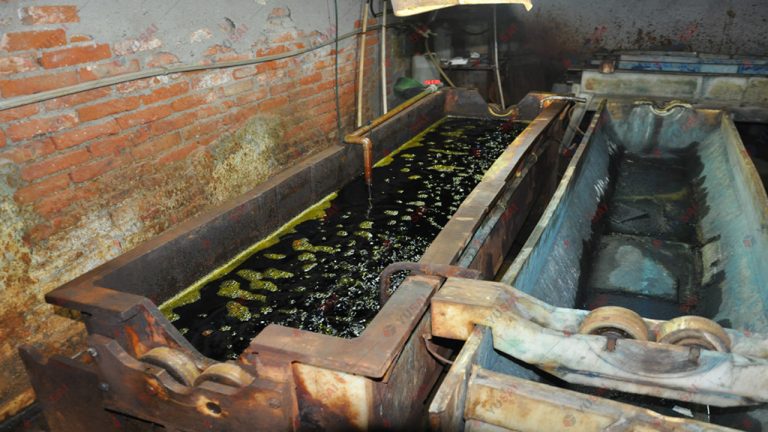
During the reaction, the base metal (e.g., copper) gradually dissolves, and the solution turns dark green or brown. The gold layer detaches in the form of flakes or granules and settles at the bottom of the container. The reaction time typically ranges from a few hours to a full day, depending on the thickness of the gold plating and the concentration of the solution.
5. Separating the gold
Once the reaction is complete, filter the solution to collect the precipitated gold particles. Rinse the gold thoroughly with clean water to remove any residual ferric chloride solution.
6. Purifying the gold
The collected gold may contain minor impurities and can be further purified using the following methods:
– Aqua regia dissolution: Dissolve the gold in aqua regia (a mixture of hydrochloric acid and nitric acid), then precipitate the gold using a reducing agent (such as sodium sulfite).
– Electrolysis: Purify the gold via electrolysis; this method is suitable for larger-scale recovery.
7. Waste solution disposal
The waste ferric chloride solution contains heavy metals and cannot be discharged directly. Neutralize the solution to a neutral pH using baking soda, then arrange for disposal by a professional facility.
IV. Precautions
1. Safety first: Ferric chloride is corrosive; always wear protective gear and work in a well-ventilated area.
2. Avoid direct skin contact: In case of accidental contact, rinse immediately with plenty of water.
3. Control reaction temperature: High temperatures accelerate the reaction but may also generate harmful gases, such as chlorine gas.
4. Gold purity: The purity of the recovered gold depends on the quality of the gold plating and the purification method; further refining is usually required to achieve high purity.
V. Pros and cons of using ferric chloride for gold stripping
Pros:
– Simple operation; suitable for small-scale recovery.
– Low cost; ferric chloride is easily obtainable.
– No loss of gold; the gold is recovered in solid form.
Cons:
– Slow reaction rate, especially for thick gold plating layers.
– Waste solution disposal is cumbersome; environmental concerns must be addressed. – It is selective regarding the base metal, suitable only for metals easily dissolved by ferric chloride, such as copper and nickel.
VI. Other Gold Recovery Methods
In addition to the ferric chloride stripping method, there are several other common gold recovery methods:
1. Electrolysis: Stripping gold from gold-plated items via electrolysis; suitable for large-scale recovery.
2. Cyanide Method: Dissolving gold using a sodium cyanide solution; highly efficient but toxic, requiring strict management.
3. Pyrometallurgy: Smelting gold-plated items at high temperatures; suitable for recovering gold from materials with high gold content.
VII. Practical Application Examples
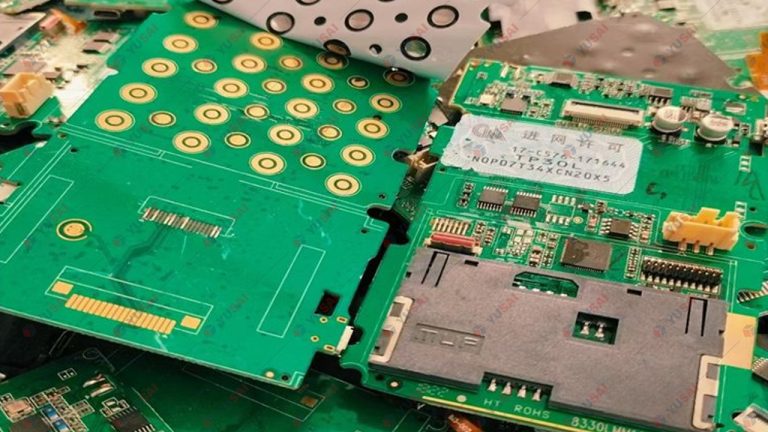
Many types of electronic waste (such as circuit boards and CPU sockets) contain trace amounts of gold that can be efficiently recovered using the ferric chloride stripping method. For instance, gold-plated contacts on old mobile phone circuit boards can yield small quantities of high-purity gold after soaking and filtration.
VIII. Environmental and Economic Benefits
Gold recovery offers not only economic value but also helps reduce environmental pollution caused by electronic waste. Recovering gold through appropriate methods conserves resources and mitigates the environmental impact of mining.
IX. Conclusion
Gold stripping with ferric chloride is a simple, practical recovery method suitable for individual or small-scale operations. Although it involves issues such as slow reaction rates and the need for waste liquid treatment, its low cost and high safety profile make it an ideal choice for beginners. If higher purity or larger-scale recovery is required, this method can be combined with other purification techniques. Regardless of the method chosen, safety and environmental protection remain the primary considerations.