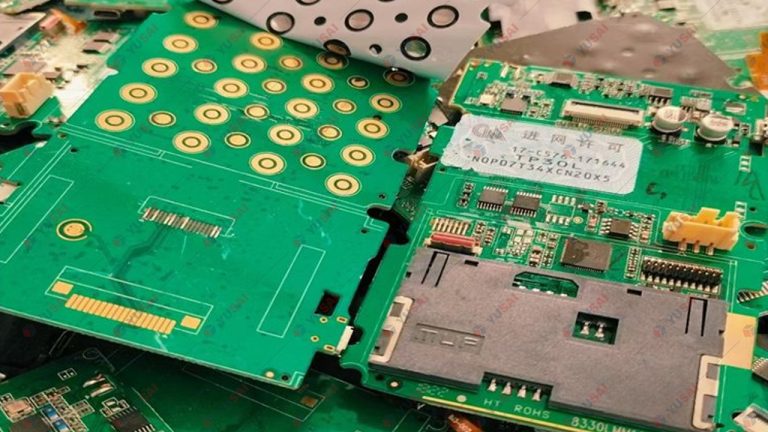
Gold can be extracted from gold-plated scrap using either pyrometallurgical (fire-based) or chemical stripping methods. The specific procedures are as follows:
I. Pyrometallurgical Stripping
Gold absorption into molten lead
Place the gold-plated scrap into a bath of molten lead (melting point: 327°C) to allow the gold to diffuse into the lead.
Remove the stripped scrap; the remaining gold-bearing lead is cooled to form a “rich lead” (gold-lead alloy) plate.
Gold recovery from rich lead
Cupellation method: Add silver to form a gold-silver alloy; after water quenching, separate the silver using nitric acid to obtain gold powder, then melt and cast it into crude gold.
Electrolysis method: Separate gold from other impurities via electrolysis; the process is complex but yields a high recovery rate.
II. Chemical Stripping 1. Preparation of stripping solution
Formula: Add 75g of NaCN (sodium cyanide) and 75g of sodium m-nitrobenzenesulfonate per liter of water; dissolve completely before use.
Rapid stripping solution: A mixture of sodium m-nitrobenzenesulfonate, cyanide, and citrate; capable of completely stripping the plating layer in 3–5 seconds.
2. Stripping operation
Steps:
Immerse the gold-plated scrap in the stripping solution (heated to 90°C) for 1–2 minutes; the gold layer dissolves into the solution.
If the amount of stripped material is excessive or the solution becomes saturated, prepare a fresh stripping solution.
Rinse the stripped scrap three times with distilled water; retain the rinse water for future use.
3. Gold recovery
Displacement method:
Dilute the gold-bearing stripping solution with 5 liters of water per liter of solution, and adjust the pH to 1–2 using hydrochloric acid (perform this in a fume hood to prevent cyanide poisoning).
Use zinc plates or zinc wire to displace the gold; stop the process when the solution is no longer yellow.
Wash the gold powder with water 1–2 times, boil in sulfuric acid to remove zinc and other impurities, then dry and melt to obtain crude gold ingots.
Electrolysis method:
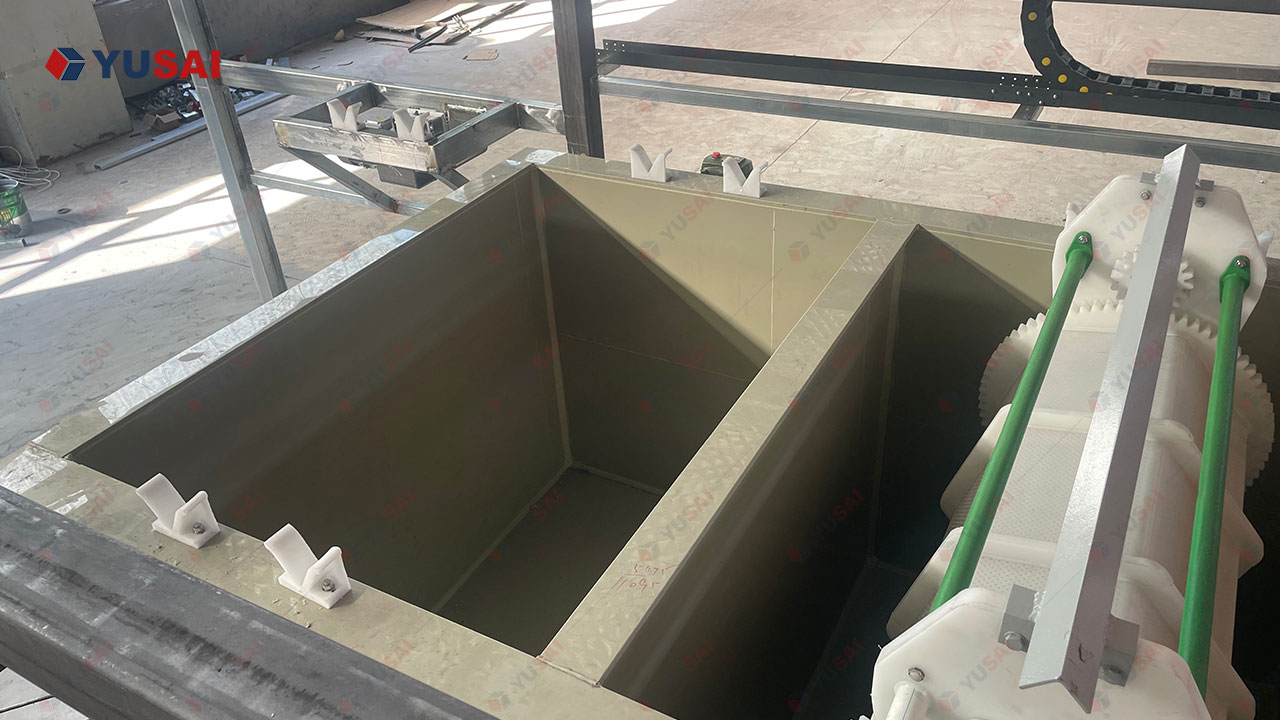
Dilute the gold-stripping solution; use a stainless steel plate as the cathode and graphite as the anode. Apply a DC voltage of 6V and a current density of 0.3–0.5 A/dm², and perform electrowinning at 40–60°C for 4–8 hours. The gold recovery rate exceeds 99.5%, and the purity reaches 99%; the spent electrolyte can be recycled after replenishing it with sodium cyanide and sodium m-nitrobenzenesulfonate.
III. Precautions
Safety Protection: Cyanides are toxic; protective gear must be worn during operations, and pH adjustments should be performed inside a fume hood.
Waste Solution Treatment: Stripping solutions require dilution before treatment to prevent direct discharge and environmental pollution.
Process Selection: Pyrometallurgical methods are suitable for large-scale processing, whereas chemical methods offer operational flexibility but require control over solution concentration and reaction conditions.
The methods described above enable the efficient extraction of gold from gold-plated waste; the specific choice of method depends on the type of waste, processing scale, and available equipment.