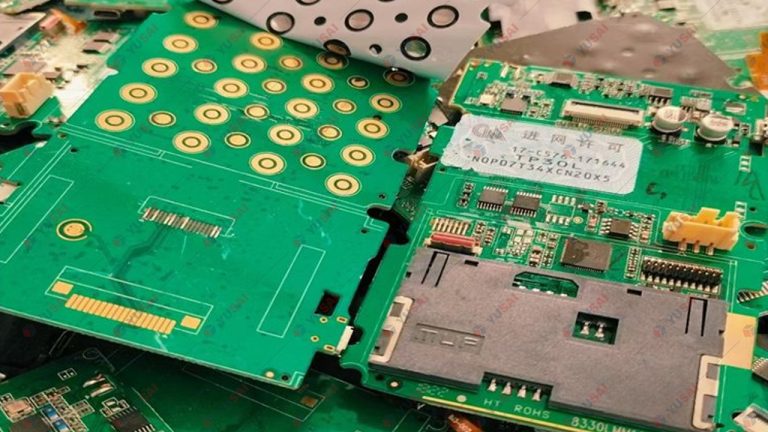
Chemical stripping can be used to recover gold from gold-plated scrap.
Method/Steps
1. The principle behind this experiment is that a mixed solution of halogen ions and elemental halogen can dissolve gold; the reactions are as follows:
2Au + 2I → 2AuI
AuI + KI → KAuI₂
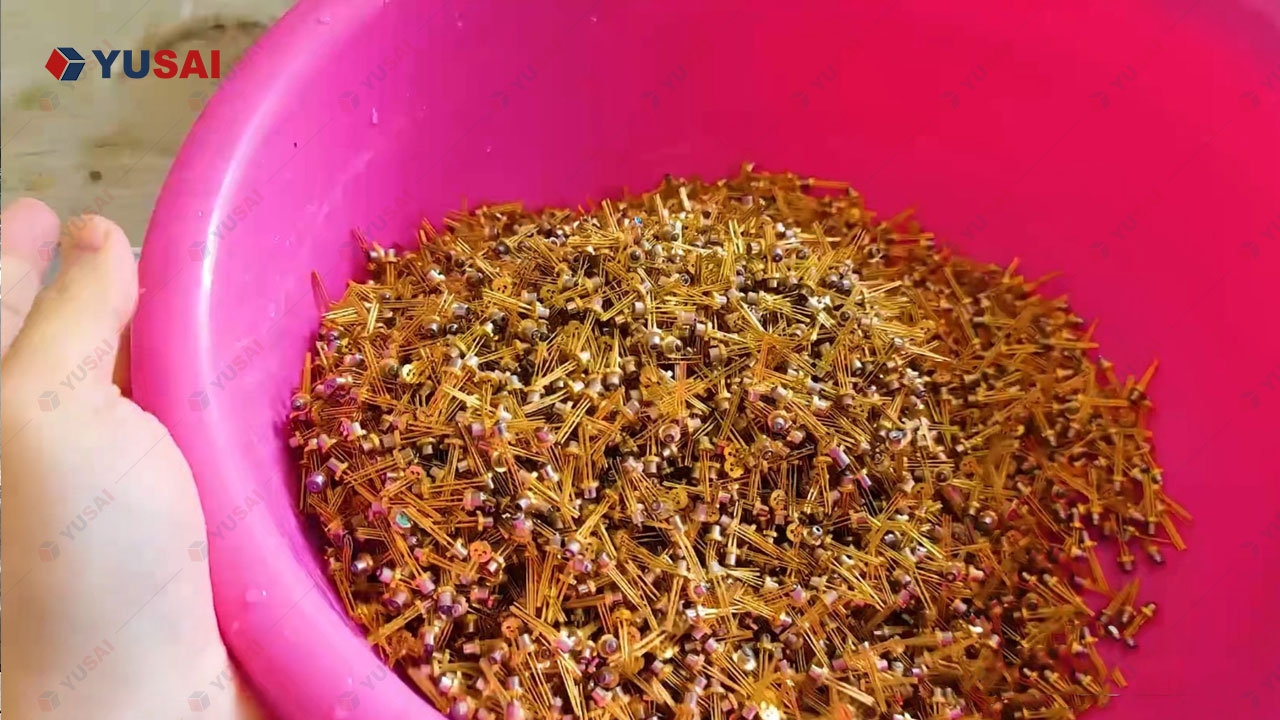
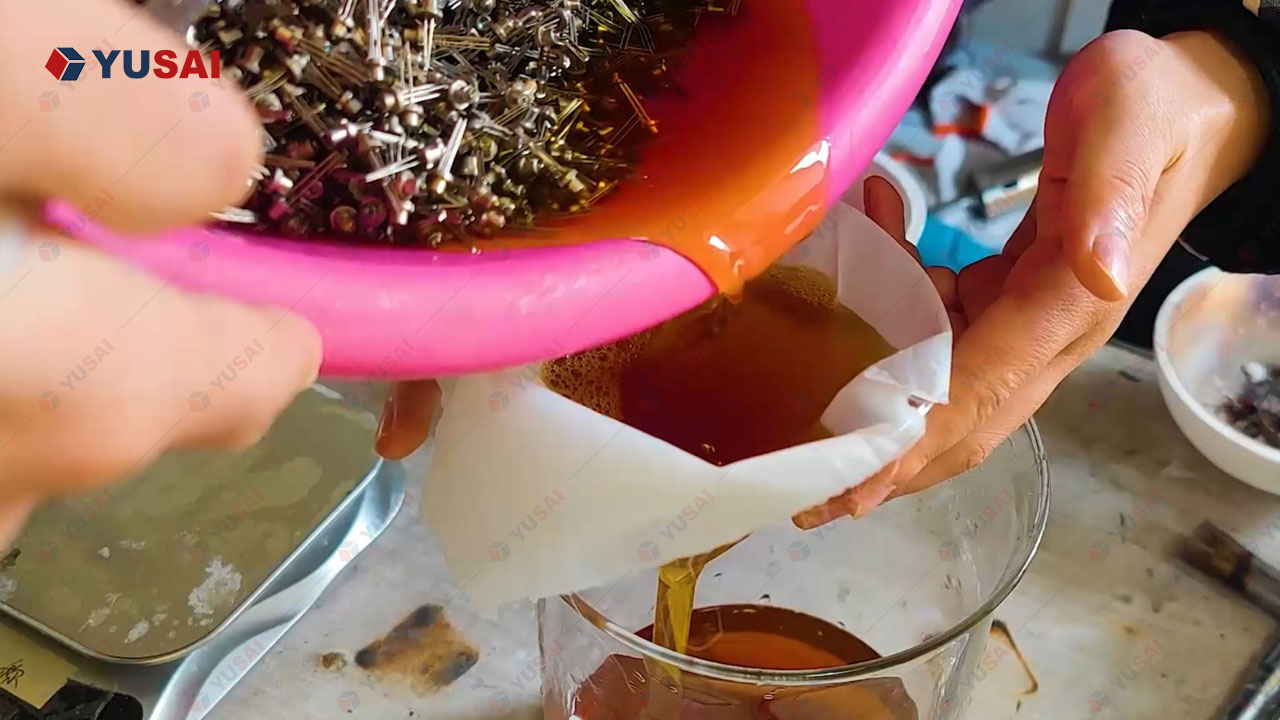
2. The optimal conditions for the iodine-potassium iodide stripping solution are as follows:
Iodine: 50–80 g/L; Potassium iodide: 200–250 g/L. The stripping time depends on the thickness of the plating layer.
Each cycle takes approximately 3–7 minutes; pour out the liquid and add fresh solution until the gold color disappears. The final resulting liquid is a gold-bearing solution.
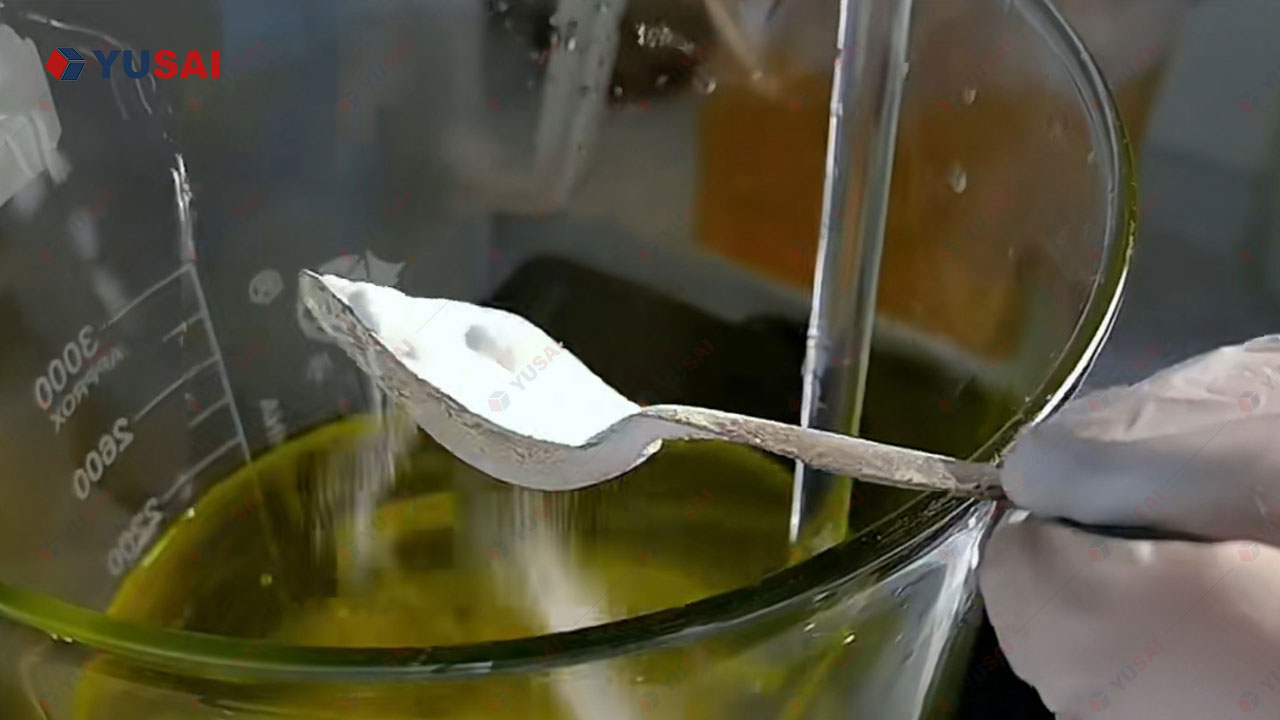
3. The product KAuI₂ obtained in the previous step can be reduced using agents such as iron powder, zinc powder, sulfur dioxide, oxalic acid, or formic acid; however, sodium sulfite is the preferred reducing agent here.
Add an appropriate amount of sodium sulfite and stir until the yellow color of the solution fades; the resulting precipitate is elemental gold.
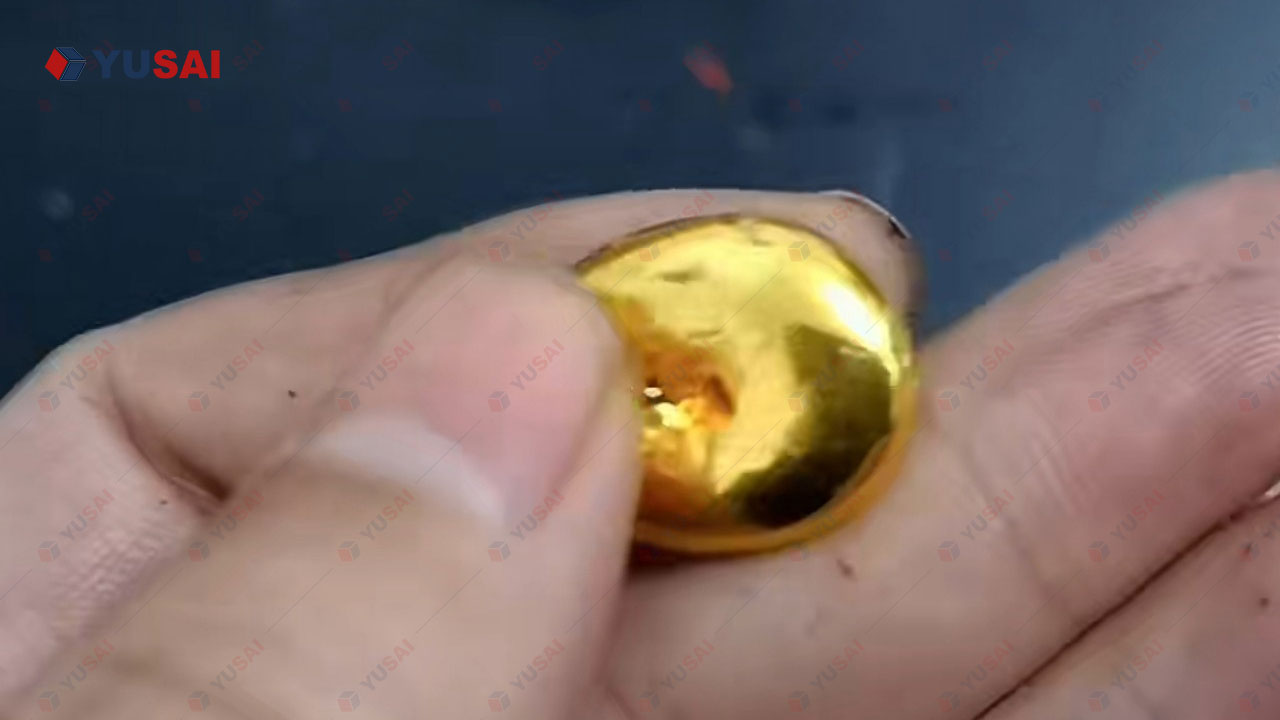
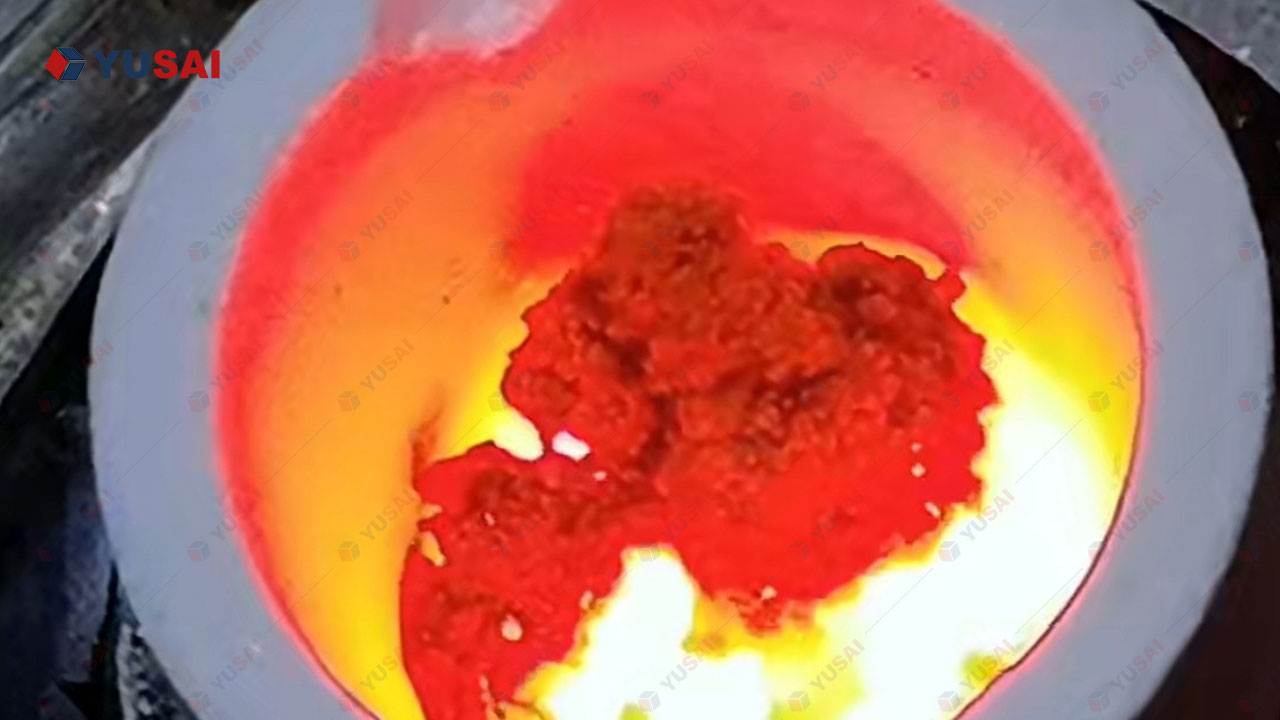
4. Filter out the precipitate and dry it. Place it in a crucible and melt the gold using high heat on an electric furnace, then pour it into a mold to cool and obtain the final gold product.