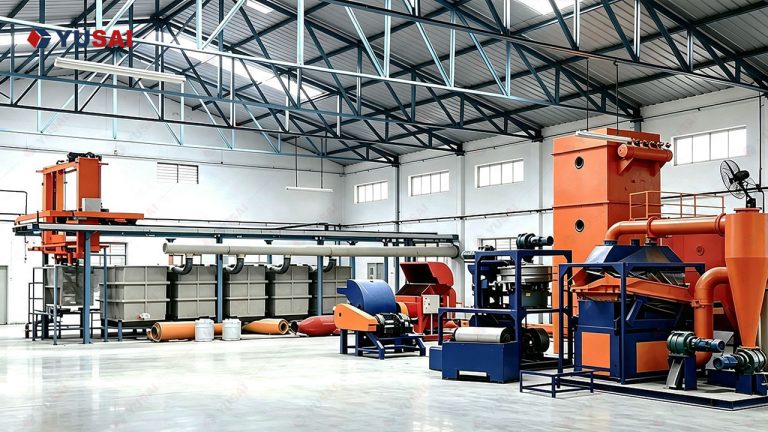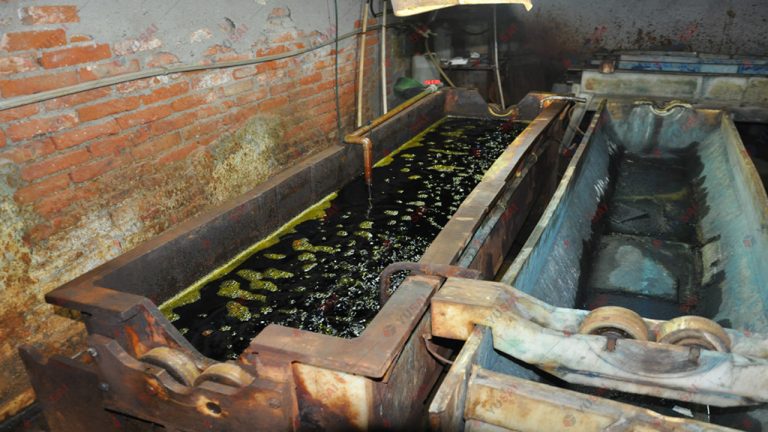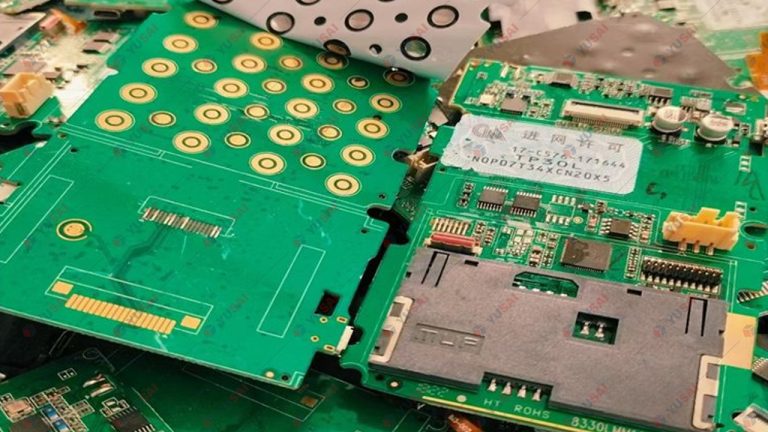
Gold cyanidation has long been the dominant gold extraction process. It dissolves gold from ore by forming stable gold-cyanide complexes, followed by separation and purification. However, this mature method carries severe downsides.
Cyanide is highly toxic and poses grave risks to human health and ecosystems. Leaks or improper discharge can contaminate soil and water bodies, kill aquatic life and threaten drinking water supplies. Historical cyanide spill accidents have caused major ecological disasters. Besides safety and environmental risks, cyanidation often requires substantial capital for equipment and reagent handling. Stricter global environmental regulations keep raising compliance pressure for gold operators.
Promising Alternative Routes
1. Cyanide-Free Chemical Leaching
Thiourea leaching stands out as one of the most viable non-cyanide options. Thiourea forms stable complexes with gold with far lower toxicity than cyanide. Lab and pilot tests have achieved favorable gold extraction rates by tuning thiourea dosage, temperature and acidity. Its main limitations are high reagent cost and easy oxidation of thiourea, which destabilizes leaching performance.
Bromine leaching is another non-cyanide pathway. It features fast dissolution speed and good selectivity for gold. The downside is strong corrosiveness of bromine, which requires expensive corrosion-resistant equipment and increases operational complexity.
2. Upgraded Physical Mineral Processing
Gravity concentration is a traditional physical separation method relying on density differences between gold and gangue minerals. Modern centrifugal gravity concentrators greatly improve separation efficiency. Even so, gravity methods work well mainly for coarse free gold, with poor recovery on micro-fine gold particles.
Flotation separates gold-bearing minerals by modifying surface hydrophobicity so gold grains attach to air bubbles. New flotation collectors enhance selectivity and recovery, yet high reagent cost and residual chemical pollution remain concerns.
Bioleaching / biomineralization is an emerging frontier. It uses specific microbes to oxidize or mobilize gold minerals and cut reliance on synthetic chemicals. It is still mostly at the research stage but holds great long-term green potential.
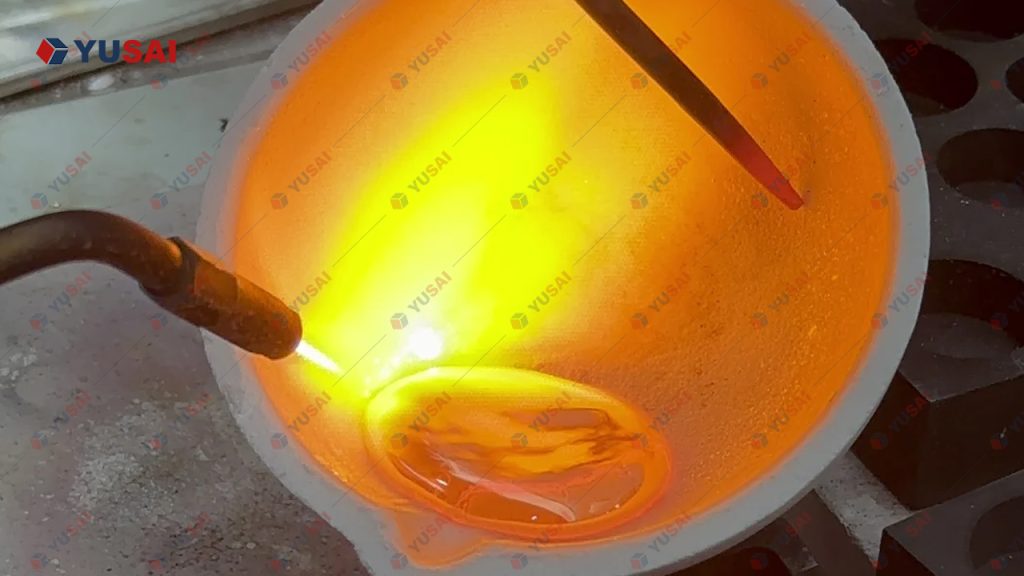
Key Challenges for Alternative Technologies
Technology Maturity
Most non-cyanide leaching processes remain in laboratory or small-scale pilot testing. Stable continuous industrial production, equipment adaptability and consistent performance are yet to be fully proven.
Upgraded gravity and flotation equipment still lag behind standard cyanidation lines in throughput and long-run reliability. Frequent downtime and unstable output restrict large-scale adoption.
Cost Pressure
Reagent costs are a major barrier. Thiourea, specialty bromine systems and advanced flotation chemicals are expensive. Corrosion-resistant reactors and new separation hardware also push up capital investment. Without meaningful cost reduction, alternatives cannot compete economically against conventional cyanidation.
Comprehensive Environmental Evaluation
“Cyanide-free” does not equal zero pollution. New processes may generate other hazardous by-products. The environmental safety of microbial metabolites from bioleaching needs deeper assessment. Cyanidation has decades of mature wastewater treatment protocols, while effluent treatment for most substitute processes is still underdeveloped.
Actions to Accelerate Commercialization
Increase R&D Investment
Governments and mining enterprises should fund targeted research on non-cyanide lixiviants and process optimization. Industry-university-research collaboration is critical: mining sites provide real ore samples and operating feedback, while research teams develop practical, site-specific technical solutions.
Policy Incentives and Regulation
Tighter cyanide permitting and discharge standards push mines toward green upgrades. Meanwhile, tax breaks, equipment subsidies and financial support can offset early investment risks and encourage companies to deploy cyanide-free production lines.
Talent Development
Universities and technical colleges need cross-disciplinary training covering mineral processing, hydrometallurgy and environmental engineering. On-site training, expert workshops and benchmark plant visits help existing operators master new process control and maintenance skills.
Outlook
Driven by rising environmental standards and continuous technical iteration, the shift away from gold cyanidation is an inevitable industry trend. Current obstacles are real, but the outlook is positive. As reliability improves and unit costs fall, mature alternatives such as optimized thiourea leaching and upgraded physical separation will gain wider acceptance.
The gold extraction sector will keep moving toward greener, safer and more efficient workflows, balancing economic returns with environmental protection. The widespread adoption of reliable cyanide-free gold processing will support sustainable development across the global precious metals supply chain.